Scaling production in Odoo Manufacturing fails when procurement and planning logic is built for stable conditions rather than variable demand patterns. As order frequency increases, small inaccuracies in lead times, ownership, and replenishment rules begin to accumulate into recurring supply chain disruptions. These issues are often masked at low volume, where manual coordination compensates for variability in planning and execution. Once dependencies across suppliers, inventory, and production increase, execution delays become systemic rather than occasional. Odoo Manufacturing exposes these weaknesses by enforcing planning decisions through structured data rather than informal coordination.
- This guide examines why supply chain disruptions intensify as production scales and how Odoo Manufacturing exposes whether your operations are built for controlled growth or held together by fragile workarounds.
- Odoo replaces constant manual coordination with automated planning logic, synchronizing procurement, inventory, and production so execution is driven by system rules rather than human memory.
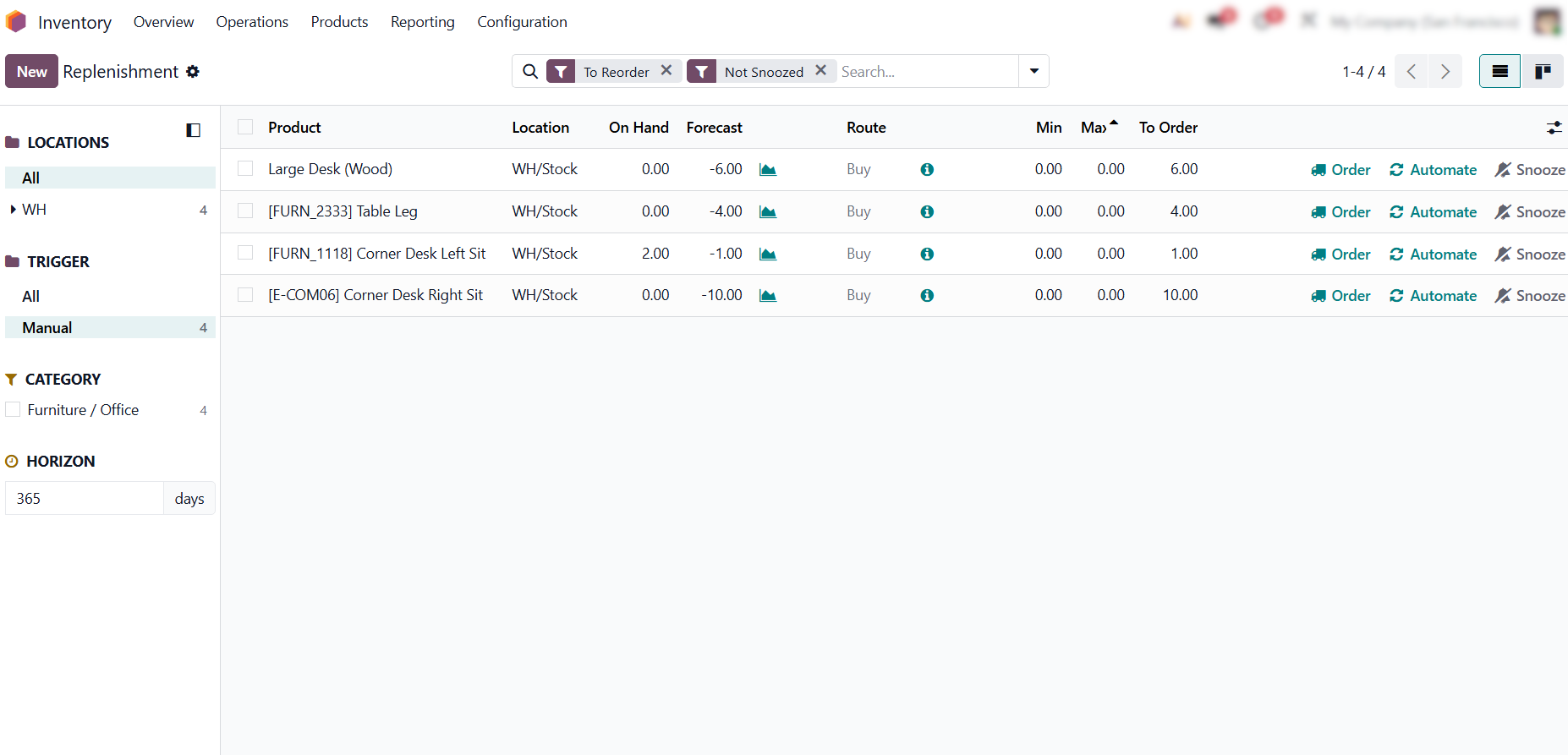
- Learn how to resolve immediate material shortages using one-time replenishment in Odoo 19, shifting from reactive procurement to controlled, data-driven decision-making.
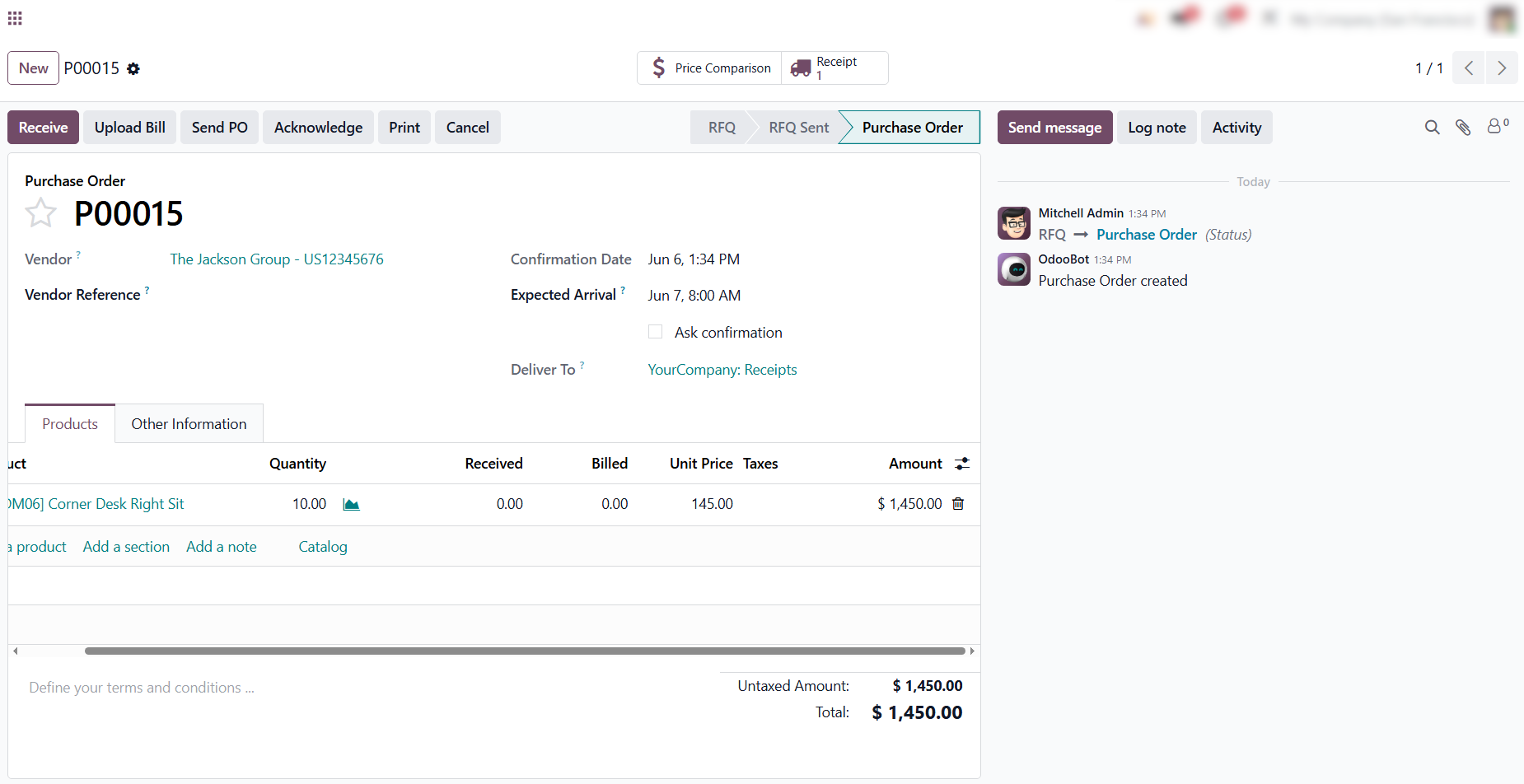
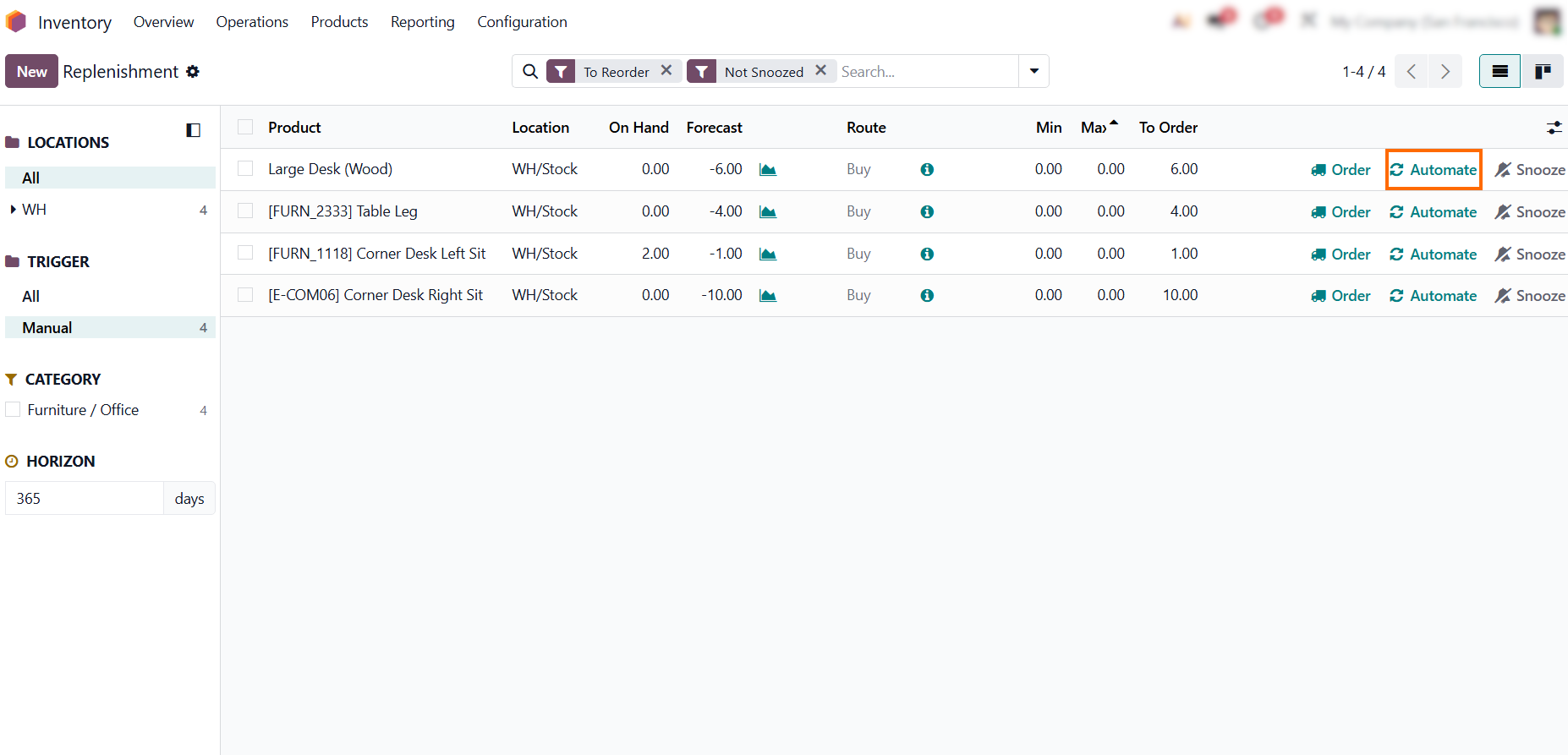
Discover how to implement permanent, rule-based procurement workflows where Odoo triggers replenishment automatically, allowing your supply chain to scale without constant manual intervention.
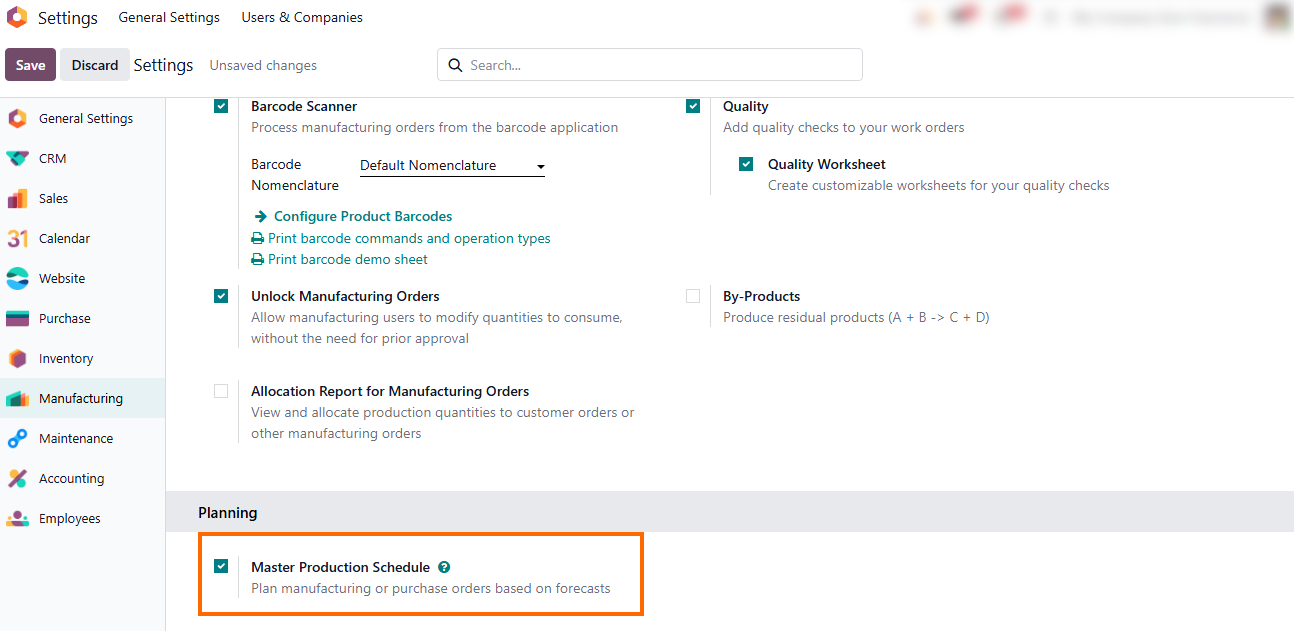
Understand why scaling production requires Master Production Scheduling (MPS) to move beyond reactive replenishment and align procurement decisions with real production capacity and demand signals.
Standardizing
Procurement and Production Decisions in Odoo 19
To shift operations from individual experience to system-defined rules, Odoo transforms fragmented manual processes into structured, repeatable workflows. Instead of depending on personal judgment, the ERP standardizes procurement, planning, and production decisions through consistent logic and shared data. This transition reduces variability across teams and improves operational continuity as complexity increases. Furthermore, it enhances traceability, making it easier to understand why specific decisions are triggered and how they affect downstream operations. By embedding automated replenishment, structured production planning, and inventory control, Odoo effectively replaces manual coordination with a single system where procurement and production decisions are continuously updated based on shared operational data.
- Vendor lead times, safety stocks, and reordering rules are configured directly on product forms. The system handles the calculation, ensuring that procurement actions align with real-time demand.
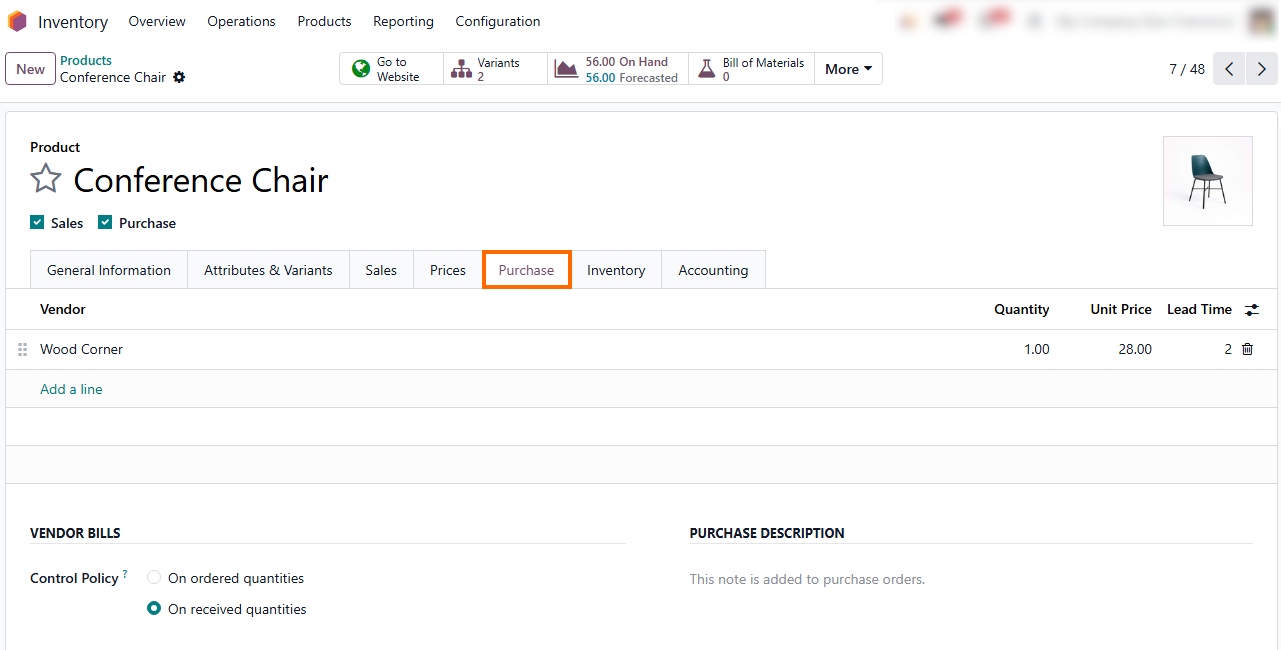
Odoo anchors lead-time logic directly to the vendor configuration. By setting delivery lead times here, the system automates backward scheduling, moving procurement decisions from manual "guesstimates" to logic-driven deadlines.
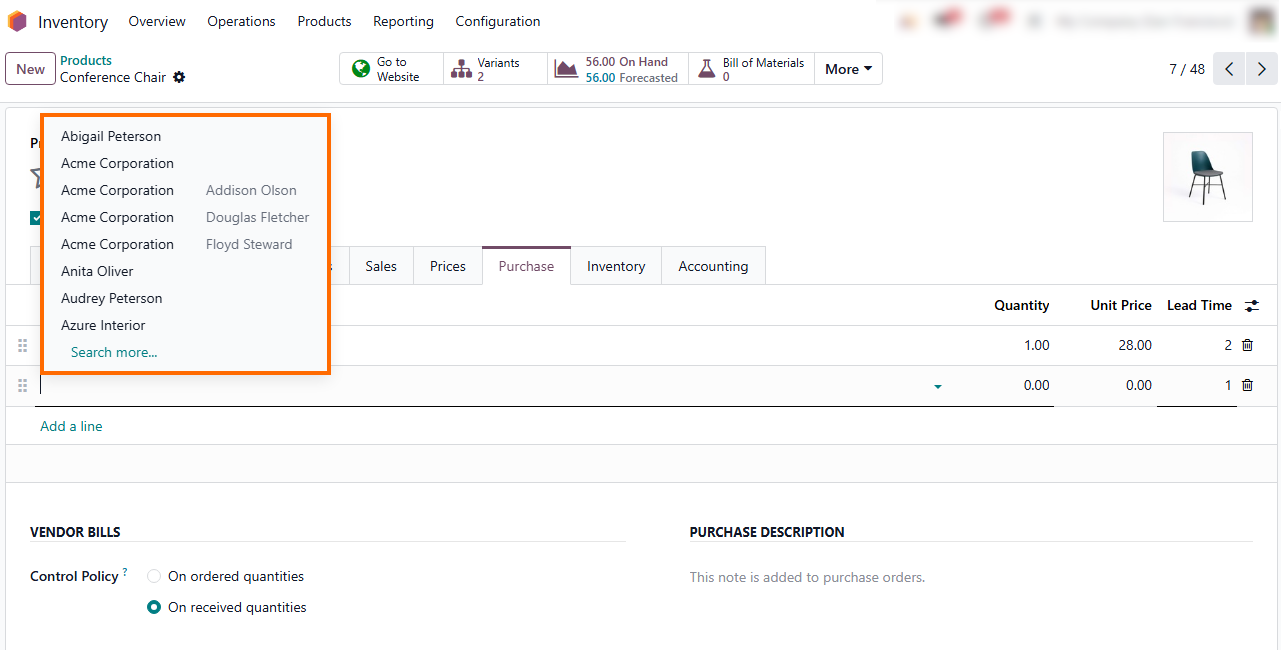
Designate a primary contact directly on the product form to streamline coordination. Update quantities, technical specs, or delivery notes instantly to ensure system data
remains accurate before procurement begins.
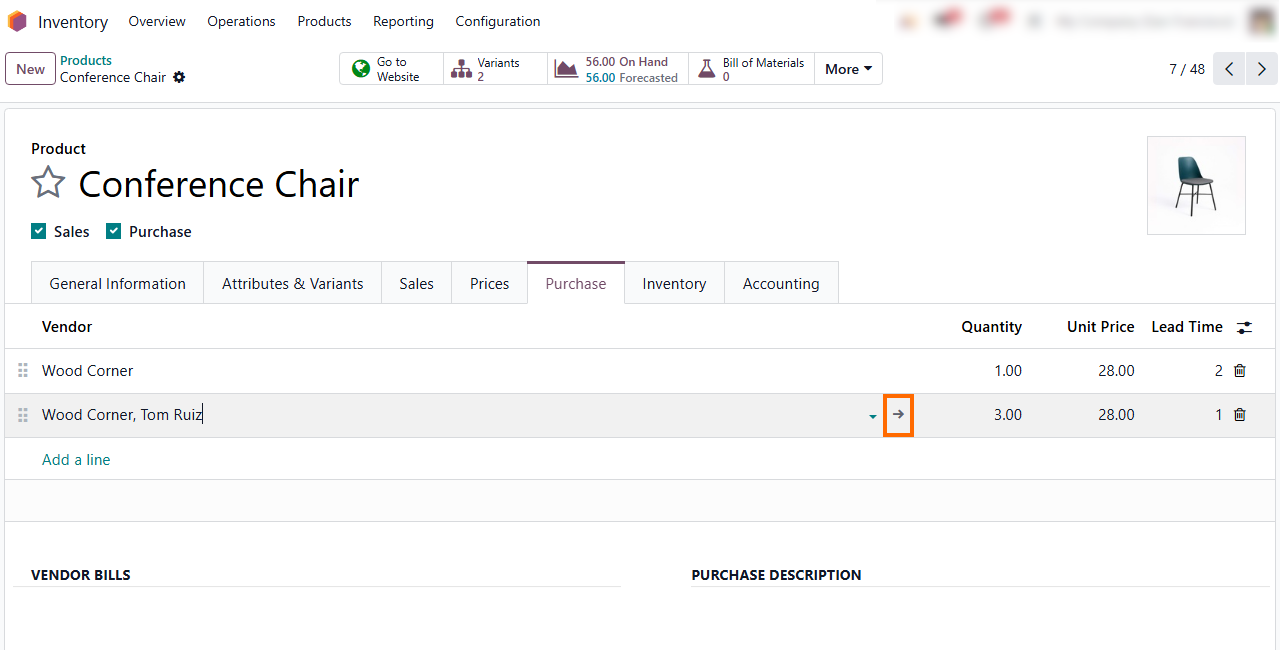
- Navigate directly to vendor contact cards to audit service agreements and communication protocols. This verifies your procurement foundation against validated real-time data and prevents supply chain disruptions.
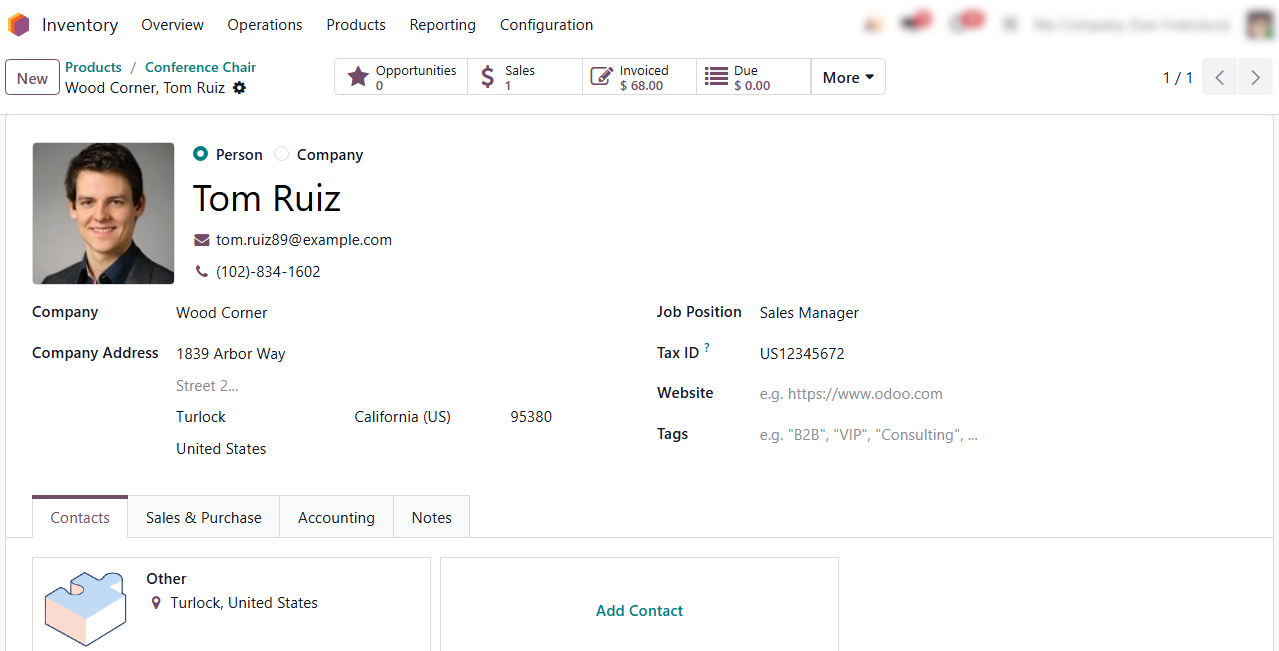
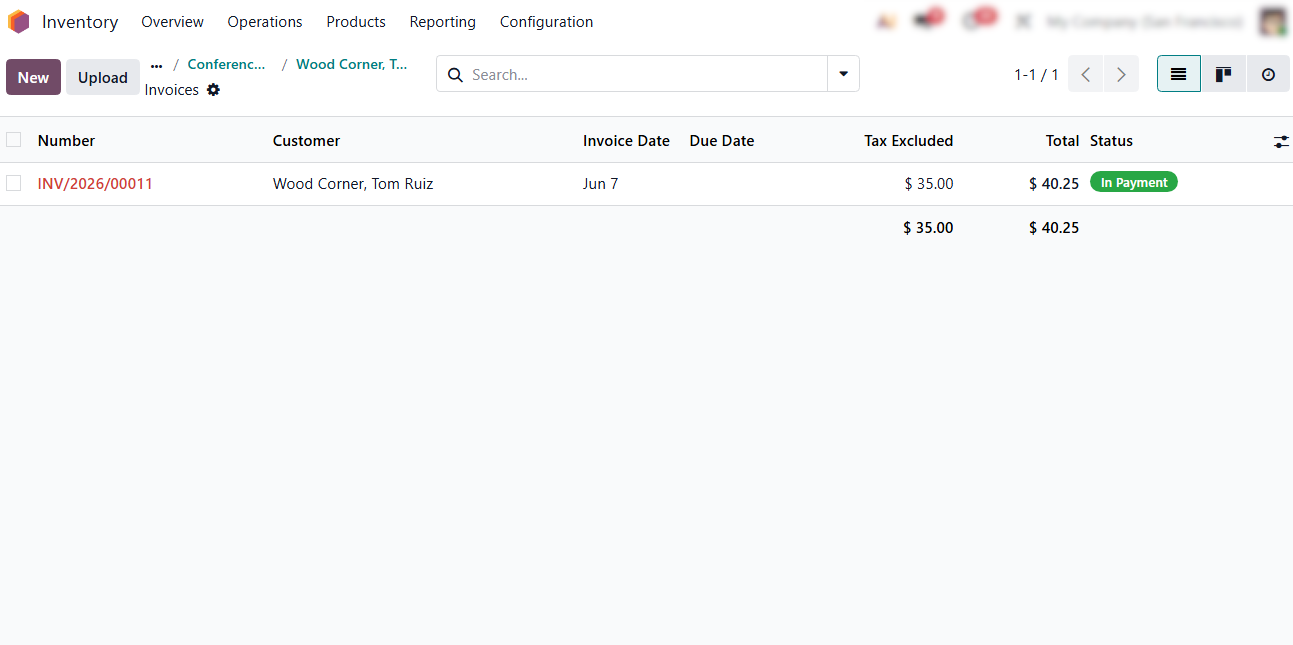
- Smart buttons connect
product-level planning data with downstream commercial and financial outcomes,
allowing teams to trace how planning decisions translate into
sales, invoicing, and outstanding obligations without switching between modules.
How
Odoo Converts Production Demand into Procurement Actions
Scaling manufacturing requires a closed control loop where production plans drive procurement decisions, not the other way around. When this loop is missing, purchasing operates on assumptions, inventory becomes misaligned, and production schedules lose reliability. Odoo addresses this by linking bills of materials, production planning, inventory, and procurement rules into a single system. The Bill of Materials becomes the foundation, translating production demand into material requirements. Odoo then converts them into RFQs and purchase orders based on stock levels, lead times, and planning rules. Unrealistic plans are flagged during scheduling before they reach the Shop Floor. The result is not abstract alignment, but a measurable synchronization between BoM-driven demand signals and procurement execution timing.
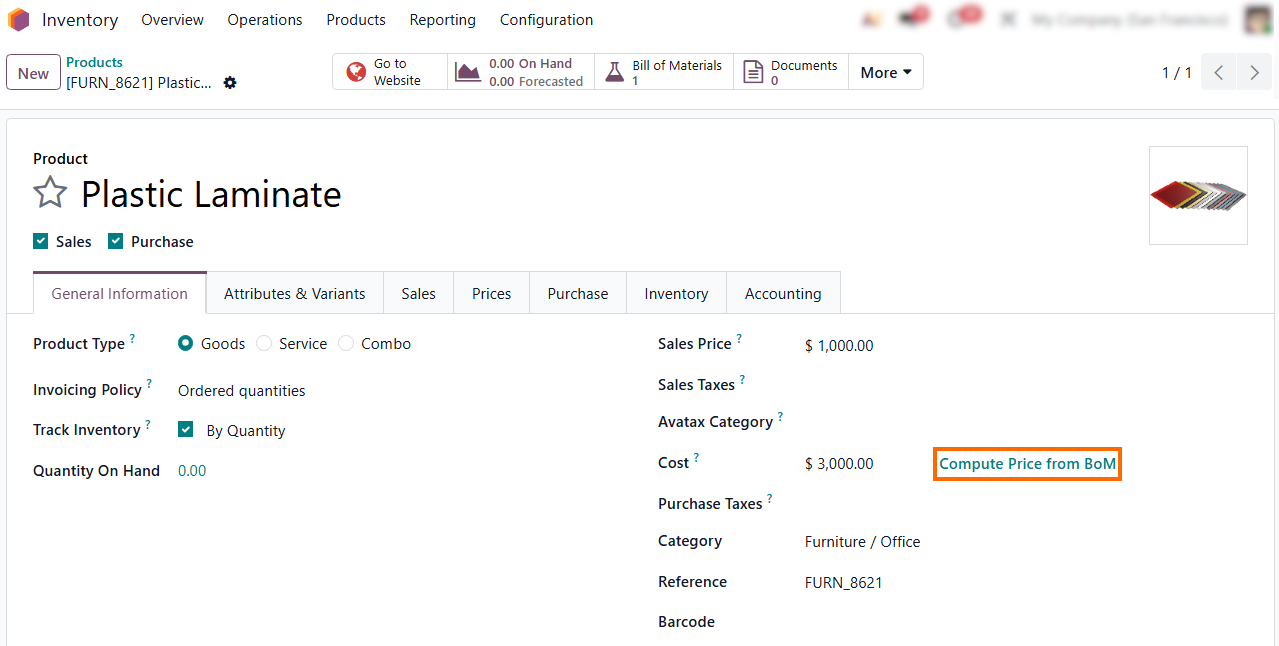
- The “Compute Price from BoM” function recalculates the product cost based on the Bill of Materials and component costs. It aggregates material prices and manufacturing operations defined in the BoM to update the expected product cost in Odoo.
- After the operation is completed, the cost is automatically updated in line with the actual BoM structure and consumed components, reflecting the real production outcome.
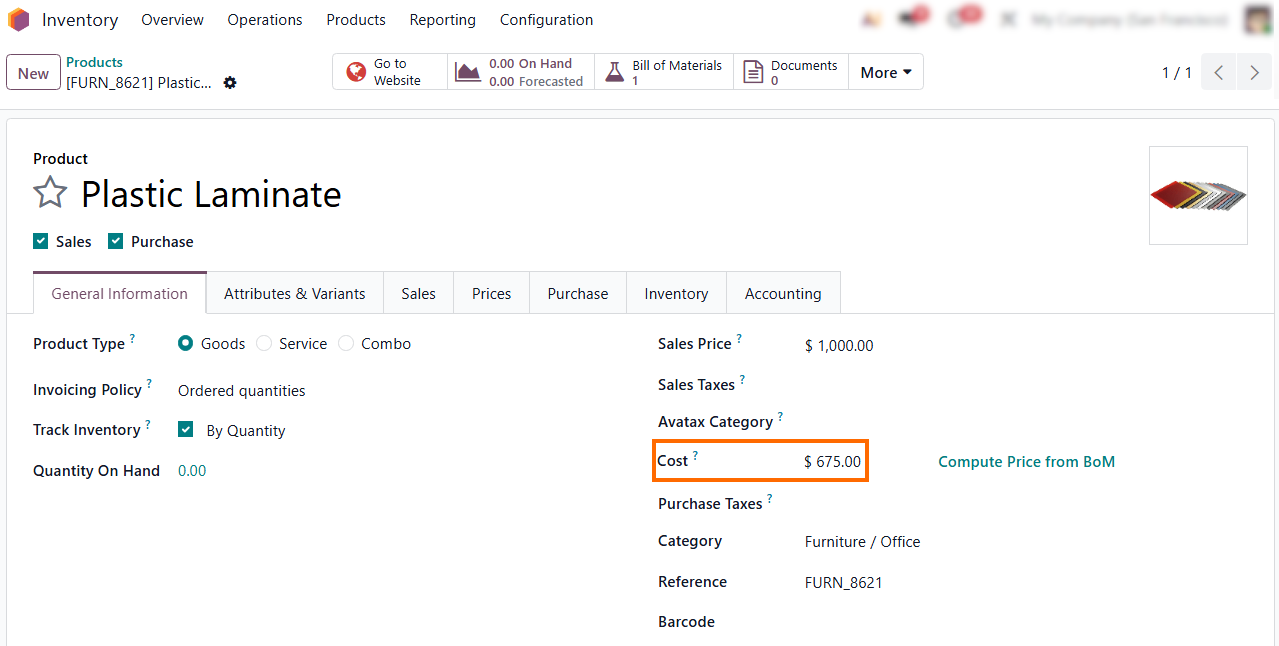
-
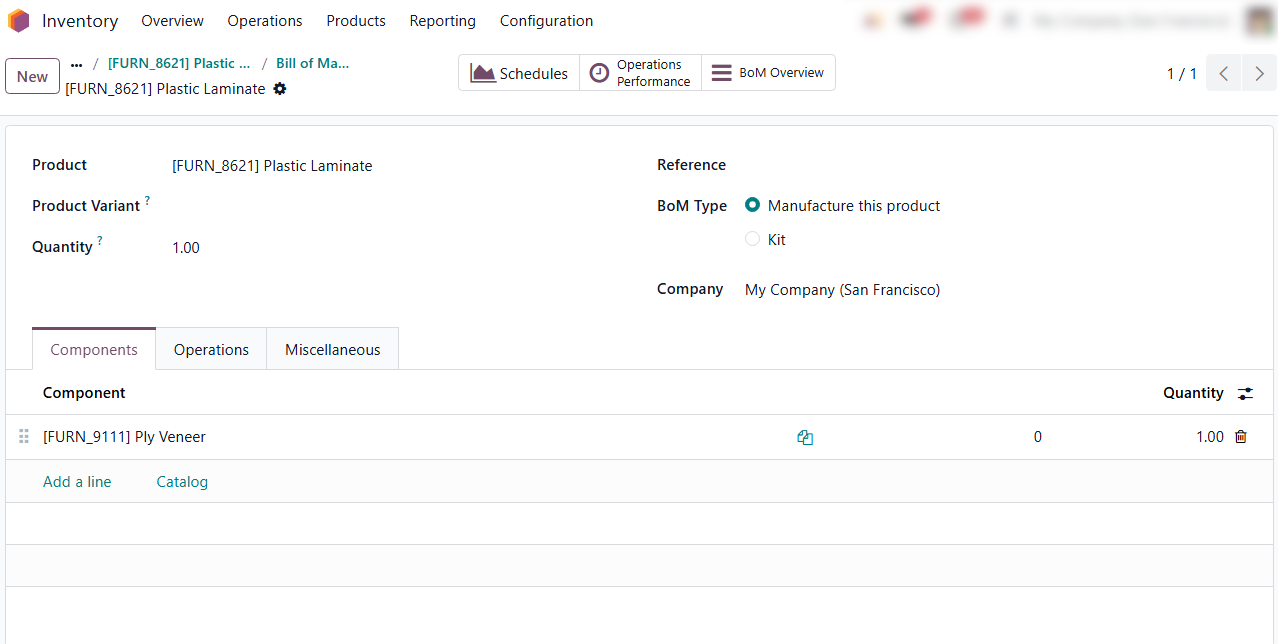
The system calculates
product cost based on operations defined under the BoM type configured as
“Manufacture this Product”, ensuring that both material consumption and routing
operations are included in the final cost computation.
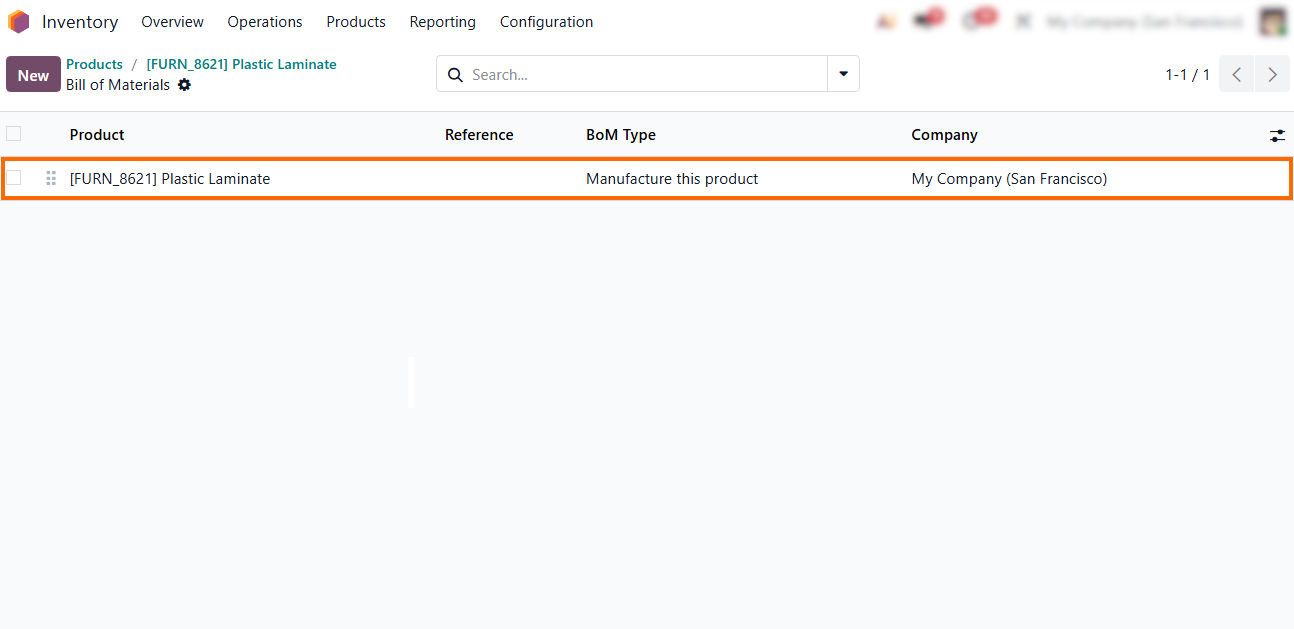
- This creates a closed loop where updates in the BoM directly impact product cost in Odoo, aligning procurement decisions and manufacturing economics with real-time production data.
Optimization
Strategies for Scalable Manufacturing in Odoo 19
While Odoo Manufacturing provides the structural foundation for your supply chain, scaling demands active performance tuning. As order volume increases, the goal shifts from maintaining stability to driving efficiency. Focus on three performance levers to ensure your system keeps pace with growth: leveraging Master Production Scheduling (MPS), refining the Odoo automated replenishment system, and enhancing inventory scaling and warehouse management in Odoo. Manufacturing data should no longer be treated as passive information, but as input that directly influences planning decisions. When these levers are synchronized, Odoo evolves from a transactional platform into a performance-driven control layer that actively supports scalable, repeatable growth. Systematic monitoring transforms raw data into actionable insights for continuous operational improvement.
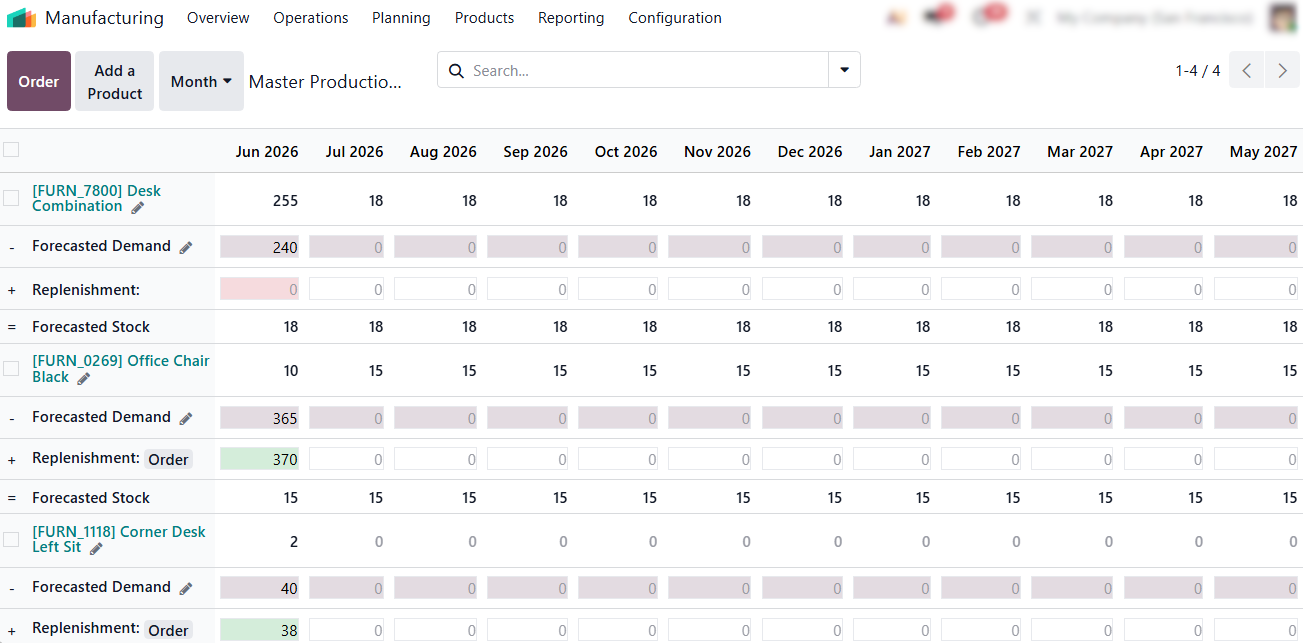
- Rather than relying solely on static reordering rules, use the Master Production Scheduling (MPS) to translate high-level sales targets into granular material requirements.
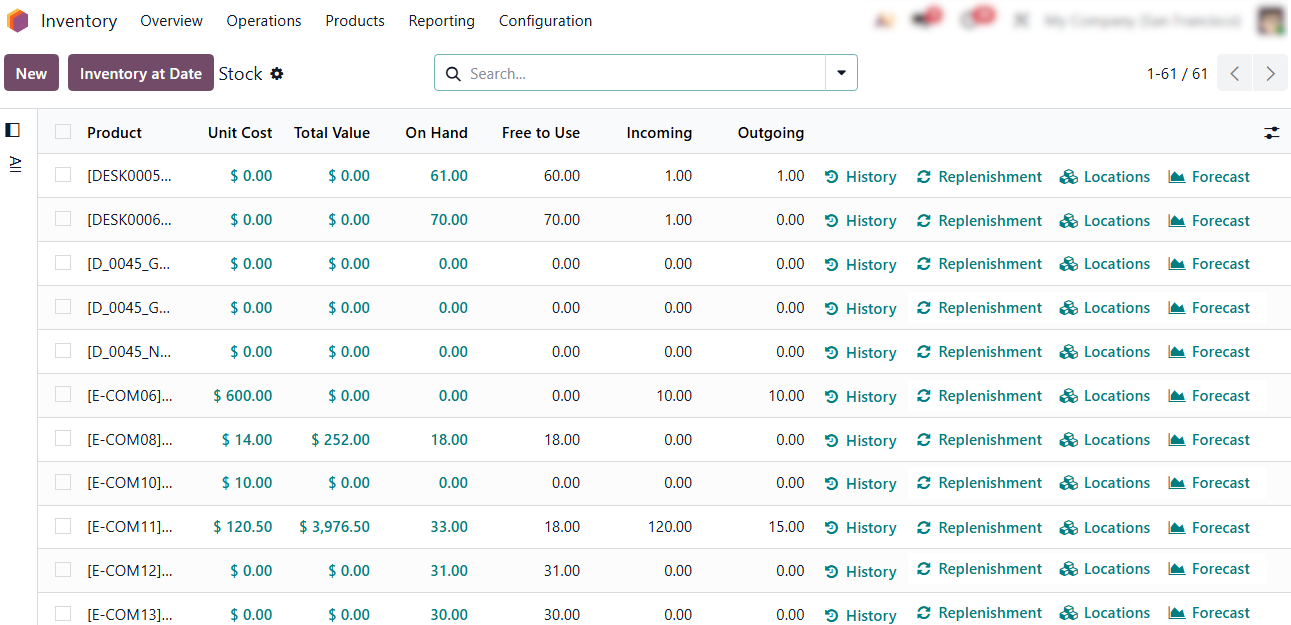
- Audit your replenishment rules by periodically reviewing "on-hand" and "forecast" levels. Scaling requires you to move from manual, one-time replenishment to fully automated triggers that adapt to fluctuating vendor lead times and consumption patterns.
- Monitor inventory distribution across multiple locations. Analyze stock placement to identify bottlenecks and ensure that material flow remains synchronized with production requirements during scaling.
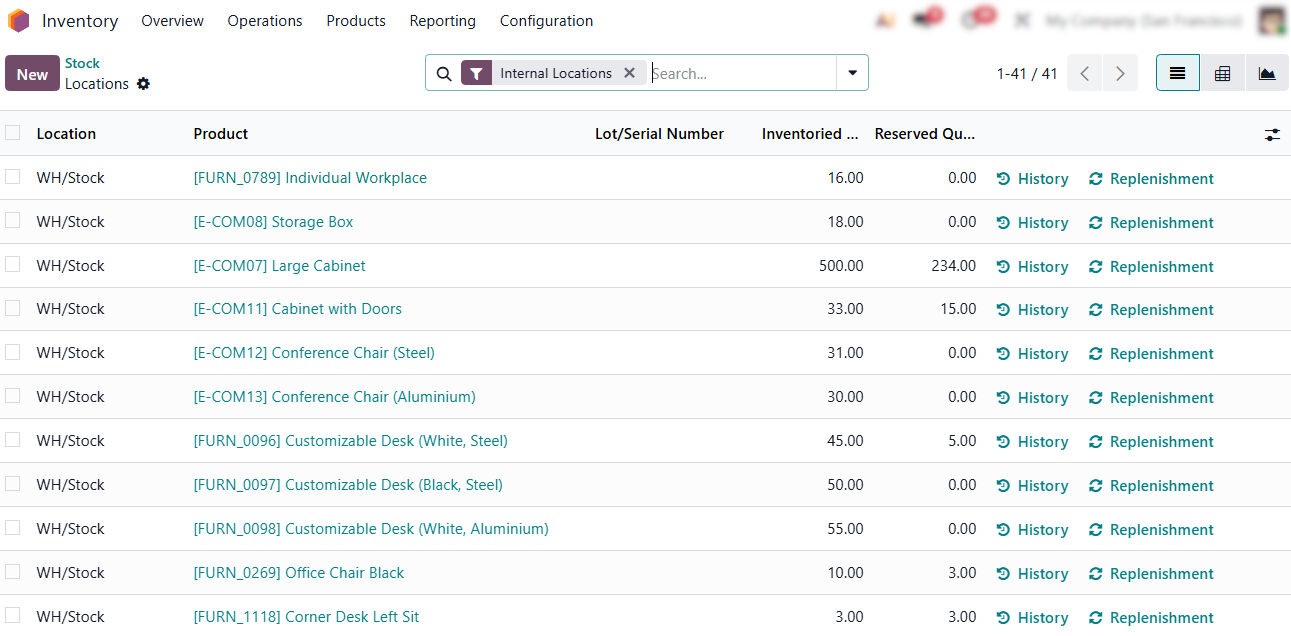
- Use Odoo
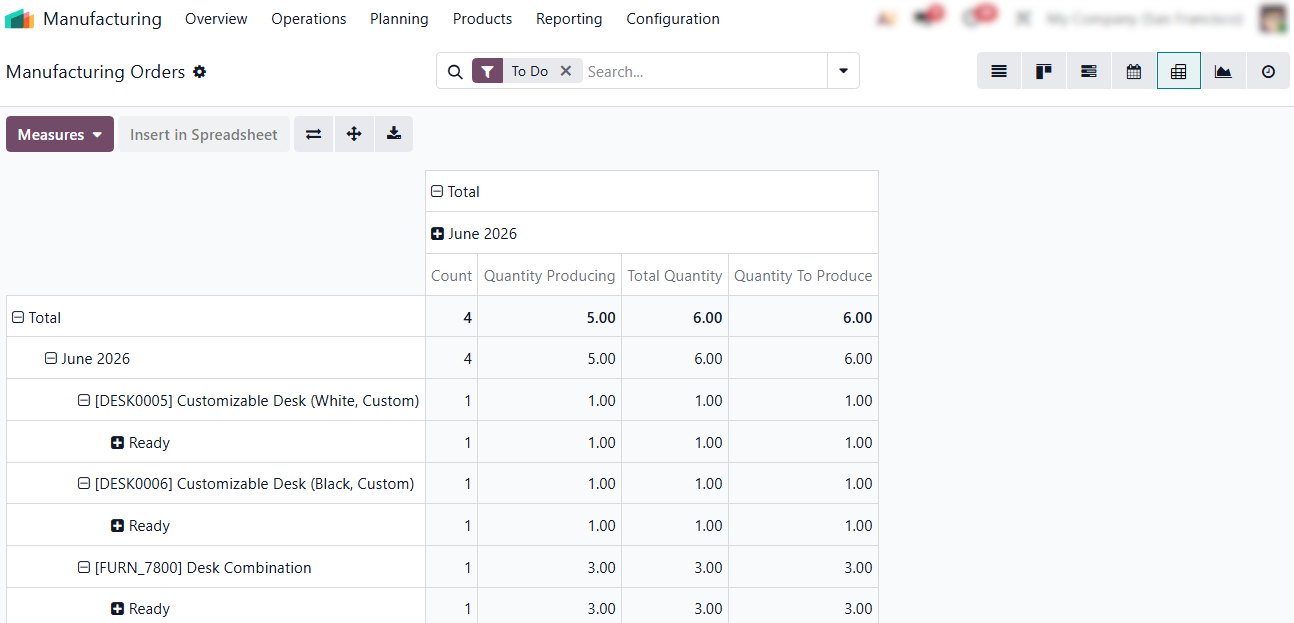
Manufacturing to compare planned costs against actual production
outcomes. Analyzing these variances allows you to detect hidden process
inefficiencies and rising material costs before they impact your bottom line.
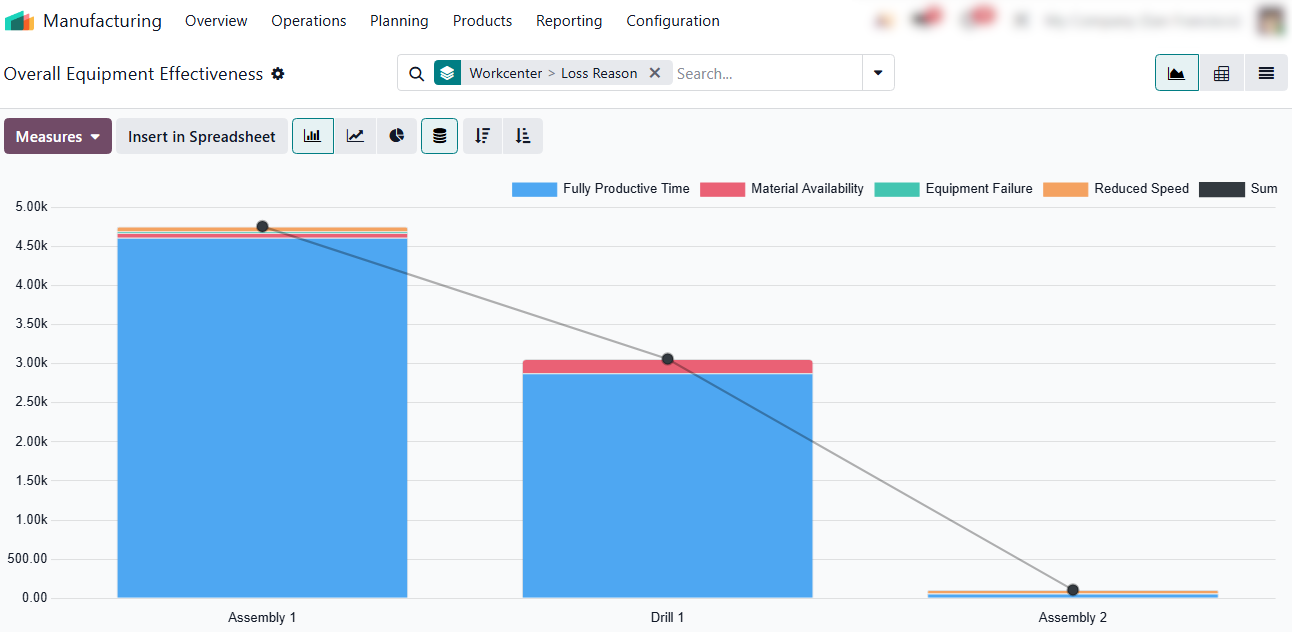
- Monitor Overall Equipment Effectiveness (OEE) to compare actual utilization against theoretical capacity. This isolates availability, performance, and quality bottlenecks to drive targeted throughput improvements.
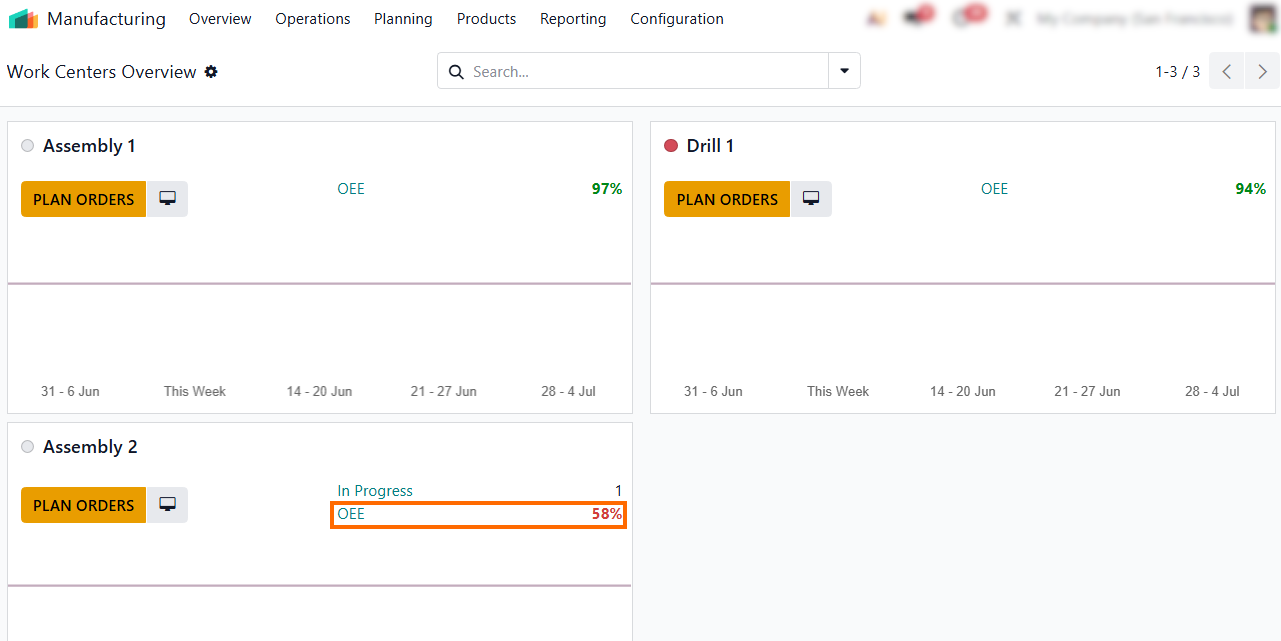
- A drop in OEE may indicate that production losses are not caused by machine capacity, but by systemic issues such as delayed material availability or unbalanced scheduling that create frequent micro-stoppages.
Conclusion:
Scaling with System-Driven Control
Supply chain management optimization in Odoo 19 is the difference between struggling to keep up with demand and managing growth predictably. When you move beyond fragmented tasks, you stop managing individual orders and start managing the system that fulfills them. By integrating these processes, you ensure that as volume increases, your overhead stays flat and your operational reliability remains high.
Scaling relies on the synchronization of core Odoo workflows. You use Master Production Scheduling (MPS) to turn sales targets into exact material needs while the Odoo automated replenishment system ensures these needs are met without manual intervention. Together these tools remove the guesswork from procurement and ensure that your production flow is backed by accurate data-driven decisions.
Finally, long-term stability comes from mastering inventory scaling and warehouse management in Odoo. By treating data as a strategic asset, from tracking component costs to monitoring equipment efficiency, you build a foundation that can handle increased complexity. Odoo Manufacturing is not an execution tool for isolated tasks but the control layer that allows you to scale your production capacity while maintaining rigorous quality and cost standards.