Odoo 20 introduces updates across Manufacturing, Shop Floor, Inventory, and other connected workflows that can affect how manufacturers plan, execute, and monitor production. These Odoo 20 features extend beyond core production tools, bringing broader platform changes, including expanded Odoo 20 AI capabilities and usability improvements. This guide explores these Odoo 20 manufacturing features through a practical scenario, following the workflow from production planning and shop floor execution to inventory, quality, and supporting business operations. Rather than reviewing each feature in isolation, we look at how these updates work together across a typical manufacturing process.
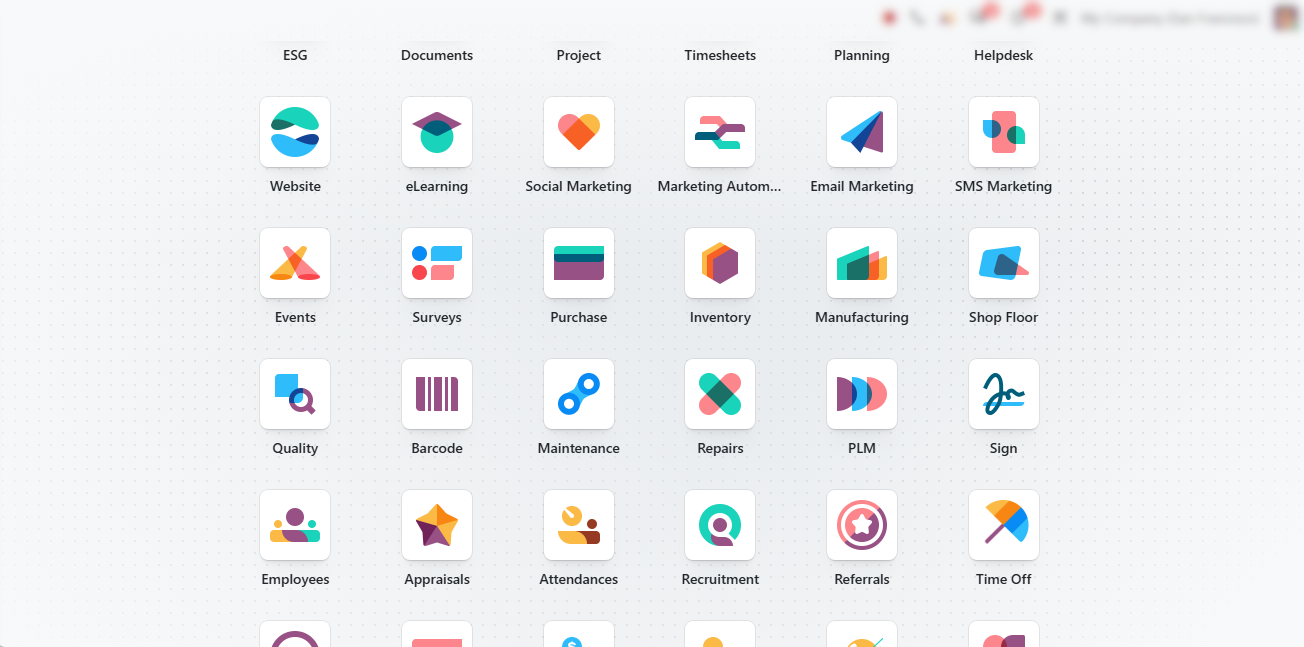
- A redesigned main menu brings core apps into a clear, structured visual layout, giving teams a more direct way to navigate between Manufacturing, Inventory, Shop Floor, Quality, Maintenance, and Purchasing.
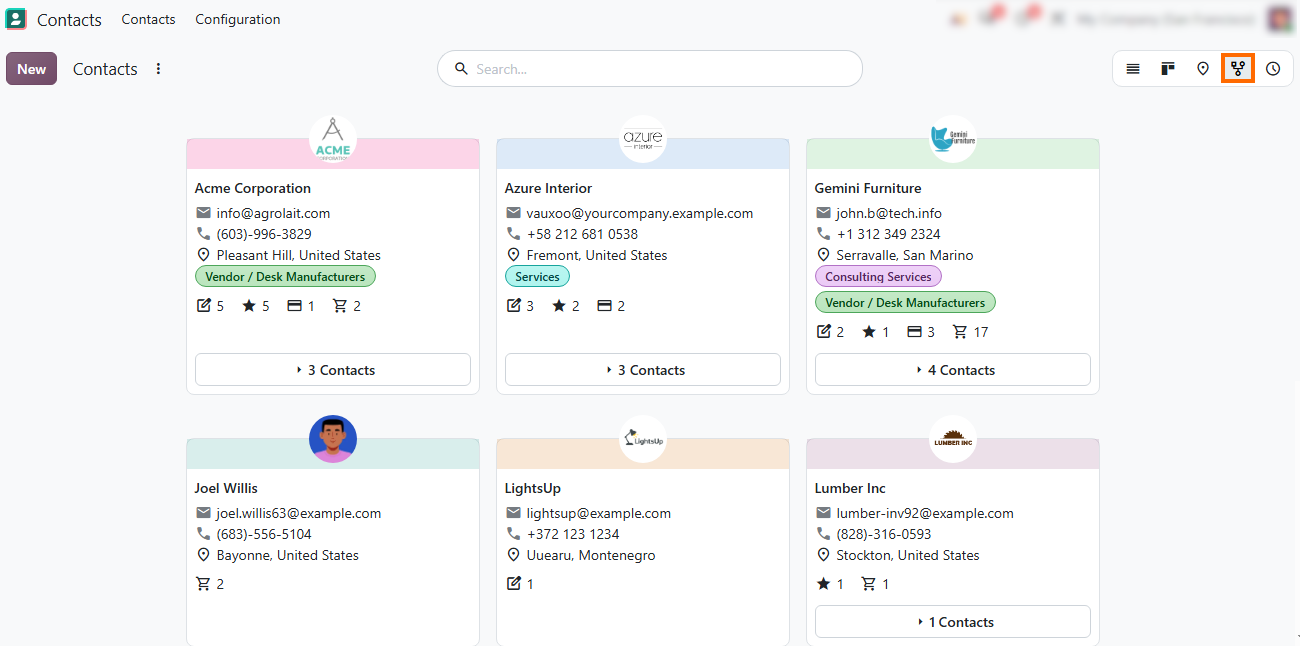
- The Contact Hierarchy helps manufacturers organize parent companies, regional sites, subcontractors, and other related business contacts, streamlining multi-site coordination.
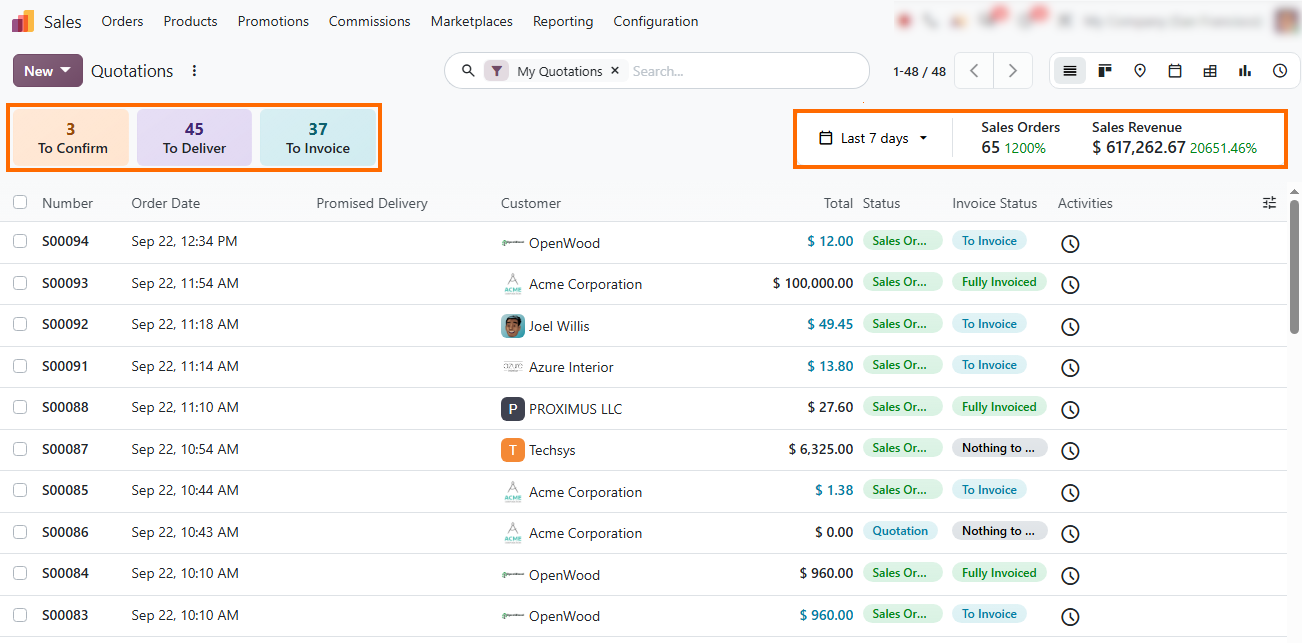
- The updated Sales dashboard provides a quick view of sales performance and quick-filter buttons, giving teams clearer visibility into quotations and sales orders.
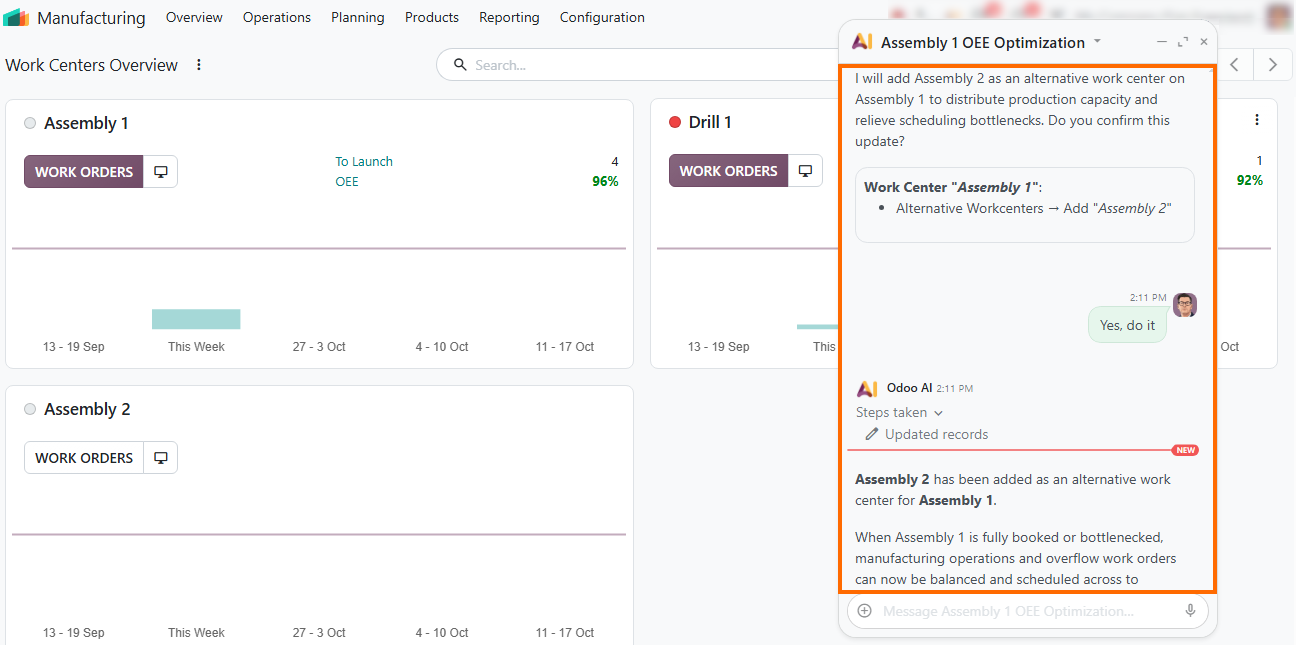
- Embedded Odoo 20 AI capabilities can support manufacturing teams by helping retrieve information, work with business records, and automate selected tasks across connected workflows.
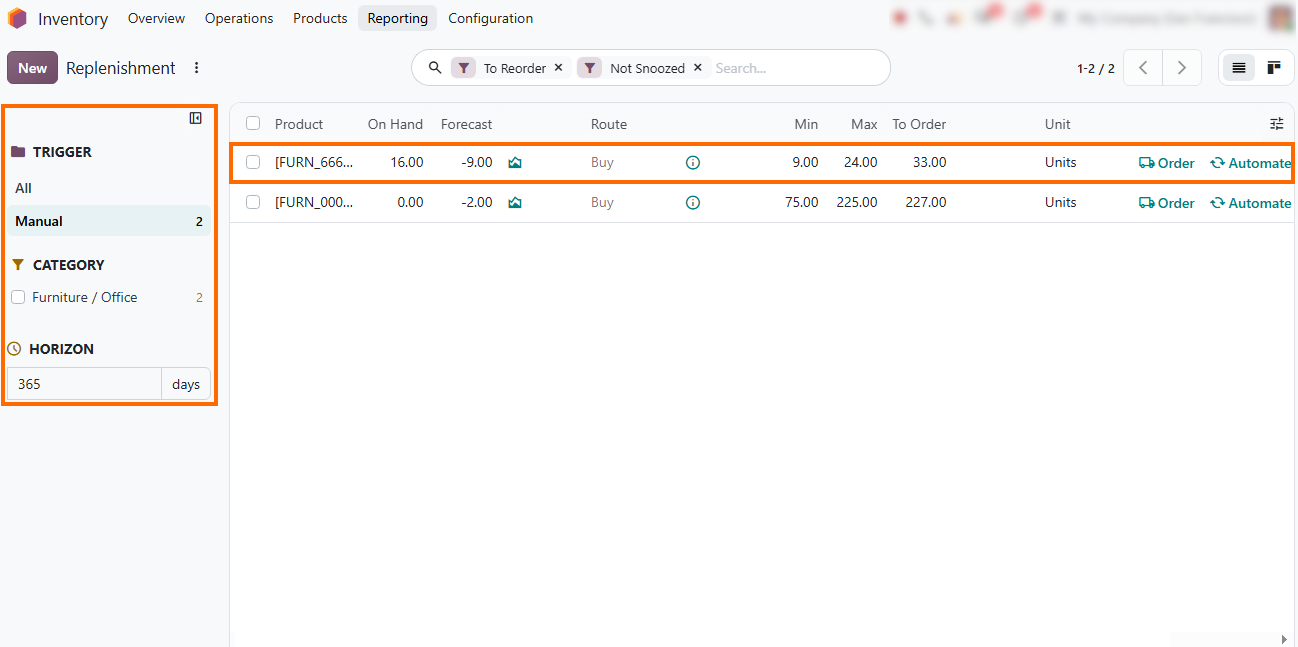
Updated inventory replenishment tools provide clearer visibility into stock levels and replenishment needs, helping teams identify material shortages earlier and trigger the appropriate replenishment actions.
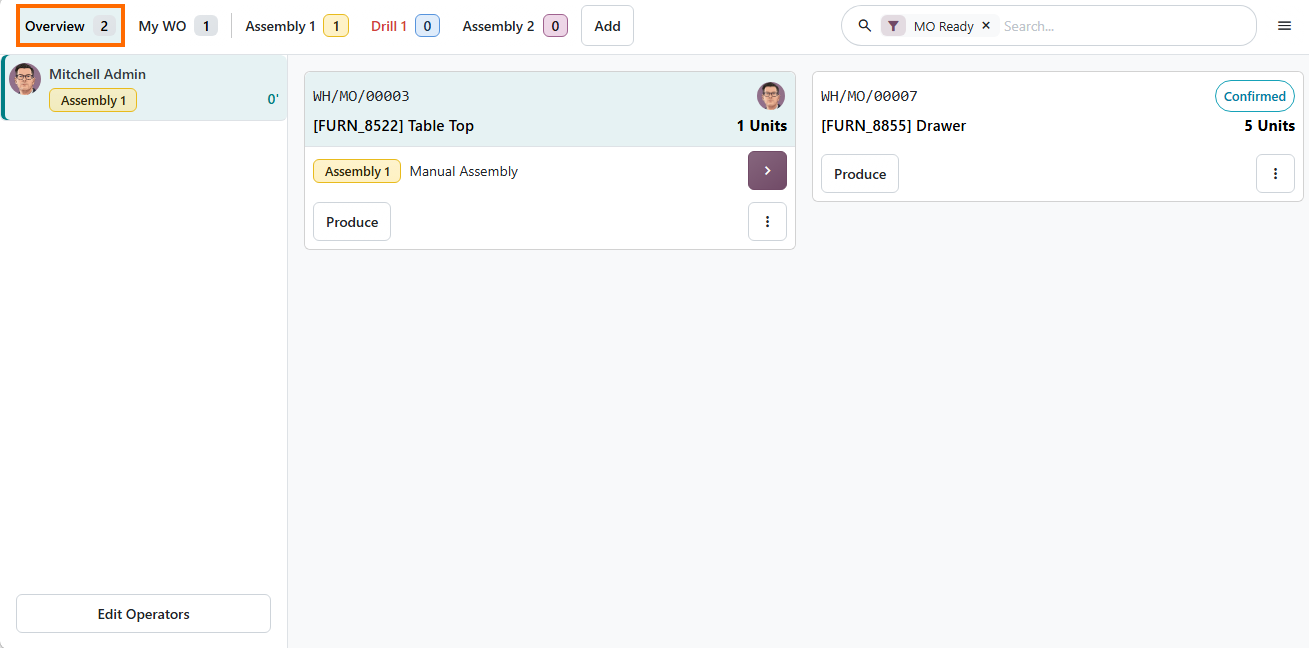
The updated Shop Floor interface provides a clearer workspace for operators, making it easier to navigate production tasks, access relevant information, and execute work directly from the shop floor.
Put Odoo 20 AI to Work Across
Manufacturing
Odoo 20 expands AI across business operations, bringing new capabilities for working with data, documents, records, and everyday tasks. For manufacturing teams, these updates can support connected processes across production, purchasing, inventory, and accounting, for example, helping users retrieve production information, process supplier documents, monitor operational data, or assist with demand and replenishment decisions. This broader approach brings AI assistance into more parts of the Odoo workflow, from finding and processing information to supporting users as they work with business records. The release also takes AI agents further, moving beyond answering questions and retrieving information toward creating and updating records and performing actions within Odoo.
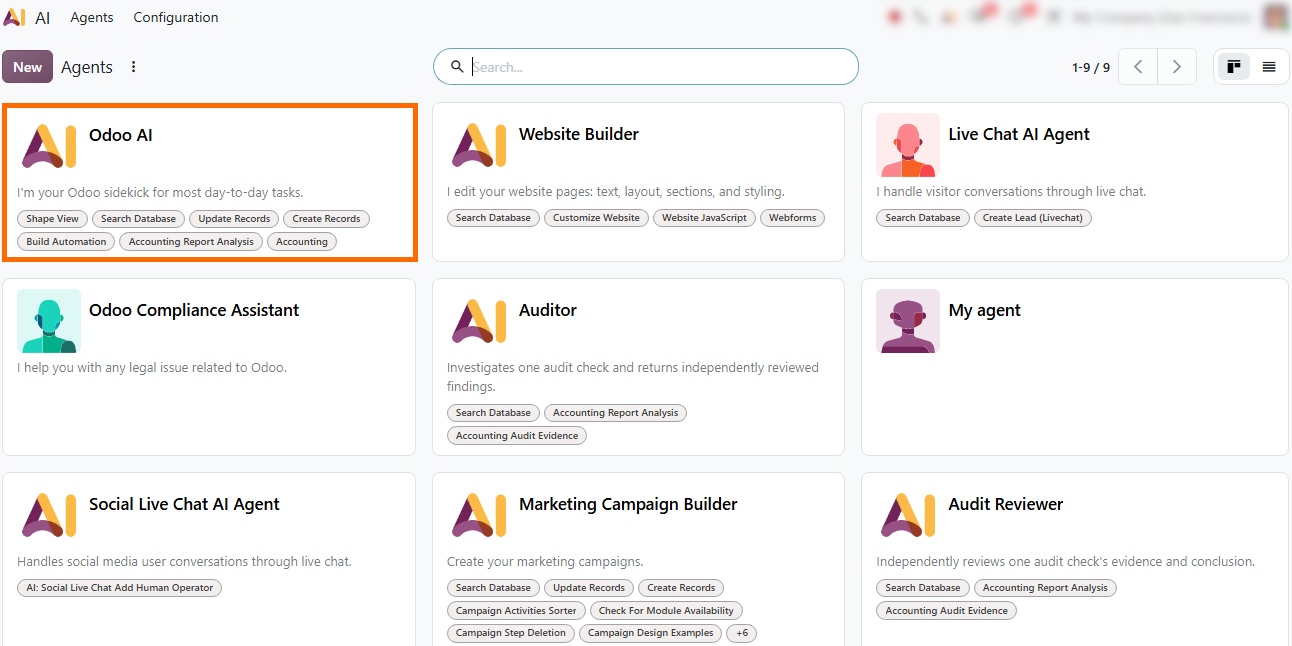
- Dedicated AI Agents can retrieve information, create and update records, and perform actions through automated or scheduled workflows, moving AI beyond simple information retrieval.
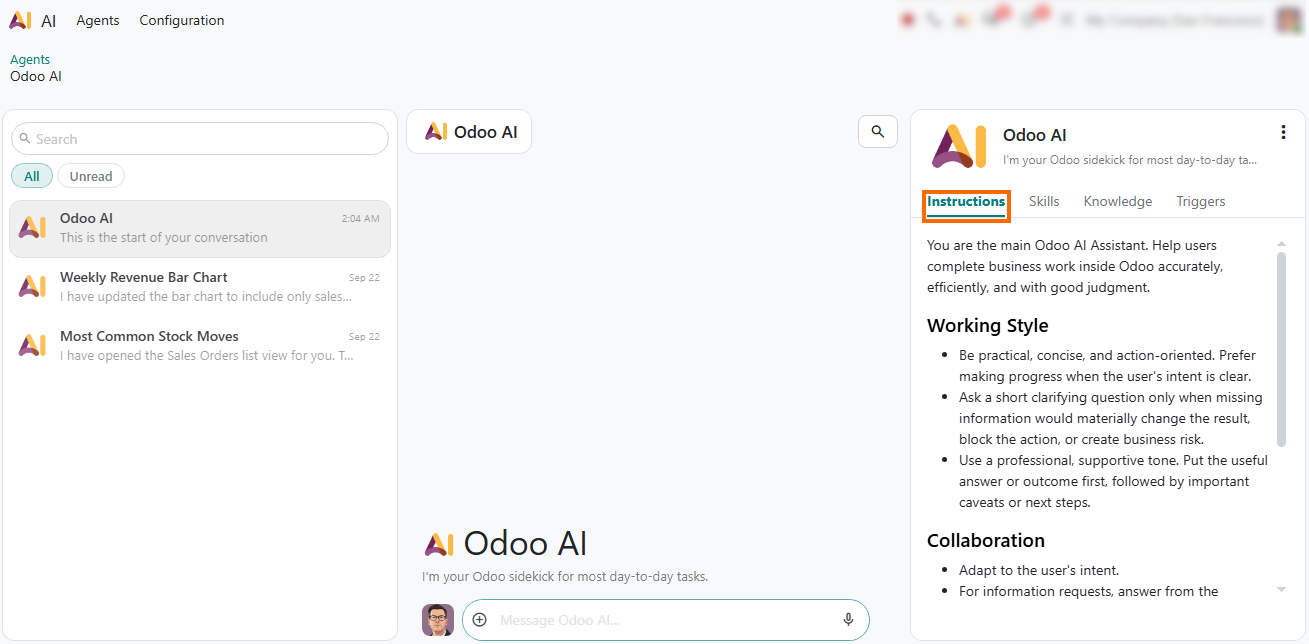
Instructions define clear operational rules and behavioral bounds for each agent, ensuring all AI-generated actions strictly follow internal company policies and process standards.
Skills grant agents executable tool capabilities to perform concrete Odoo operations, allowing them to run database queries, update business records, and generate complex operational reports across departments.
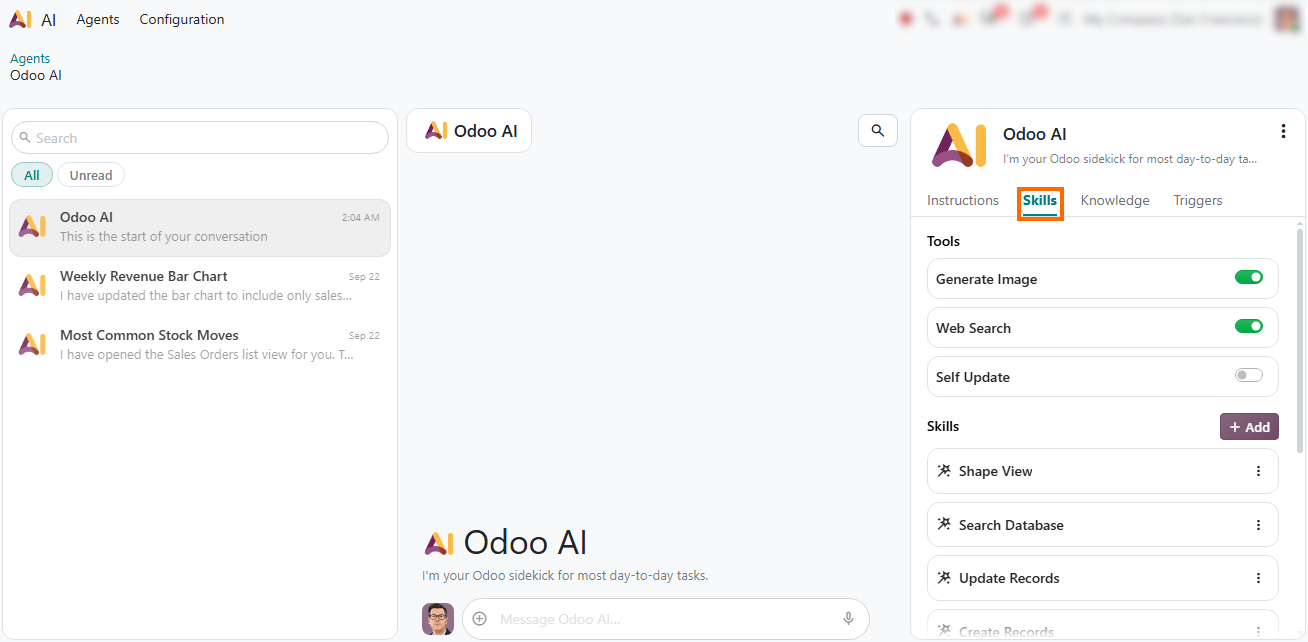
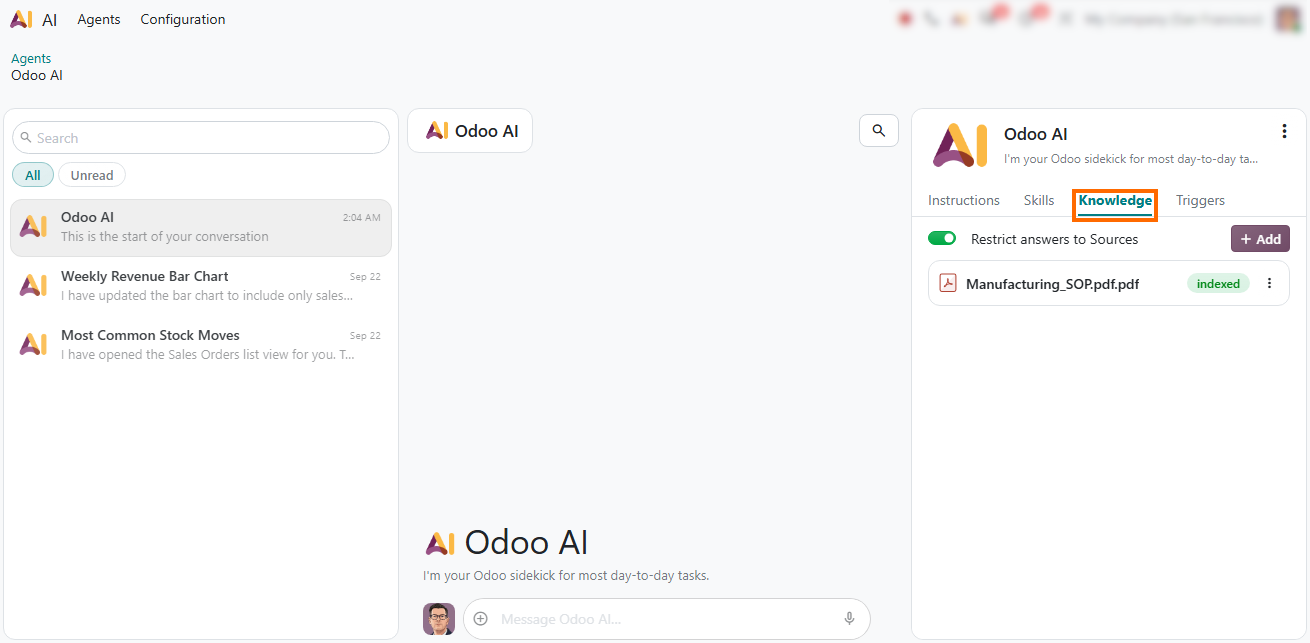
Knowledge connects agents directly to internal documentation, process manuals, and historical business records, grounding their decisions, responses, and generated outputs in accurate, company-specific operational context.
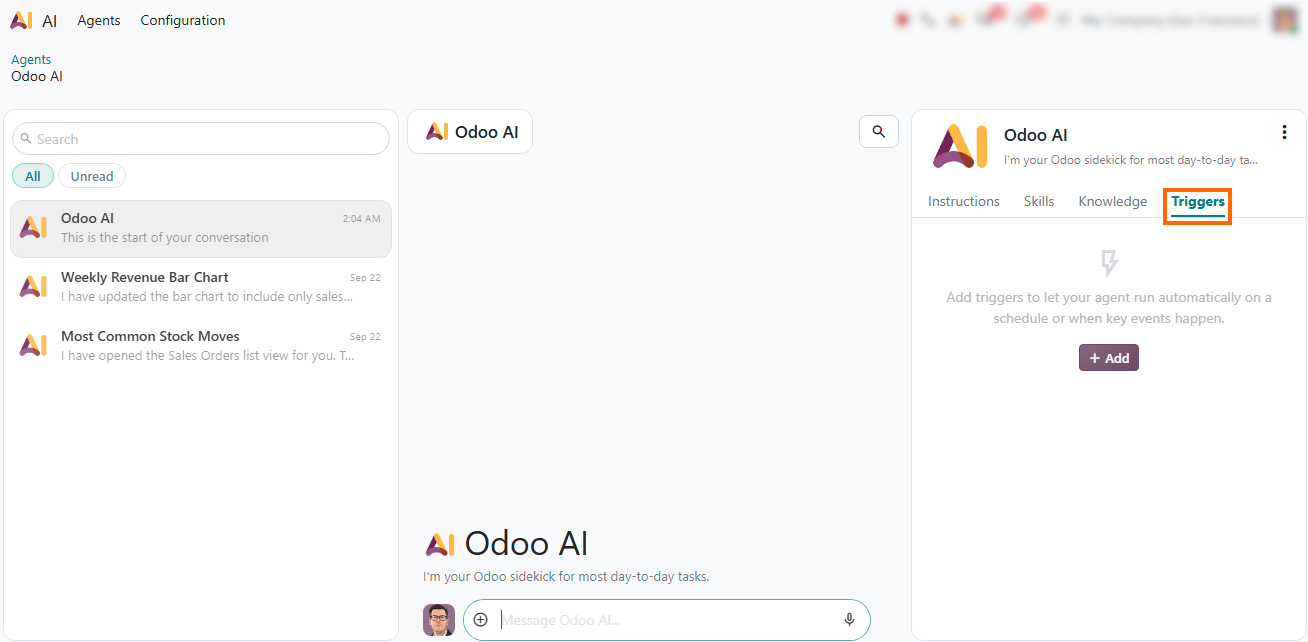
Triggers set up event-driven conditions for proactive system automation, allowing agents to execute tasks automatically in response to specific workflows or schedule updates.
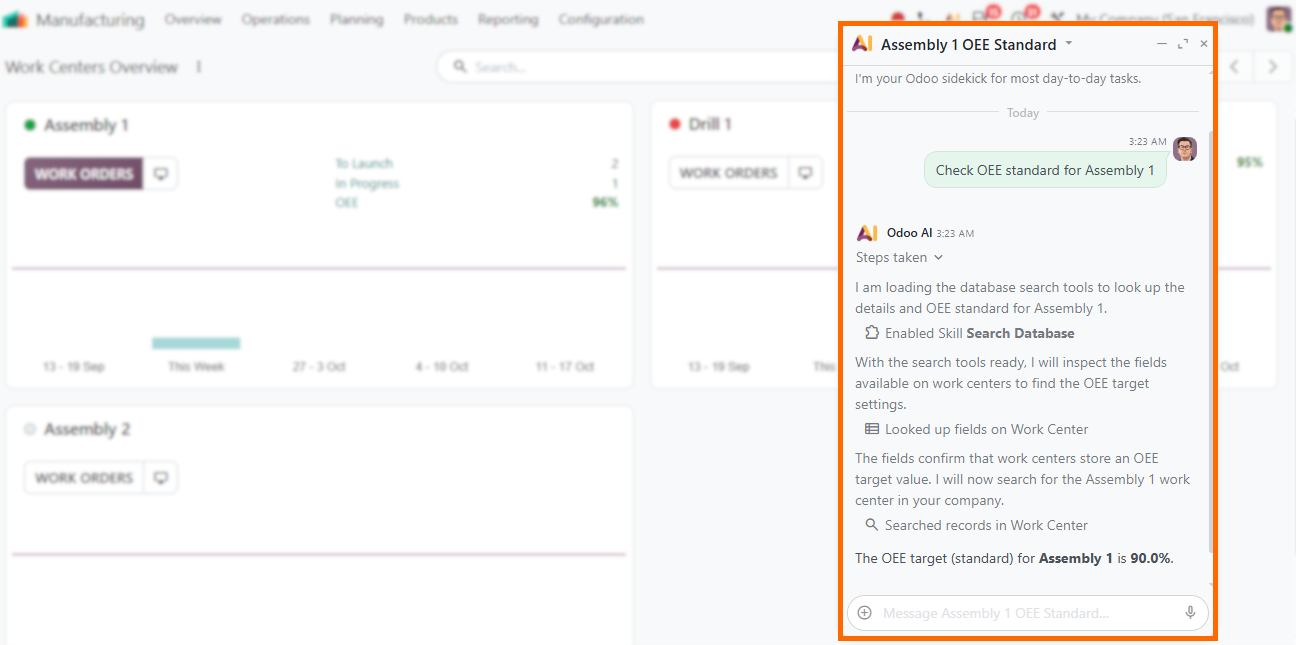
- AI Assistance Across Manufacturing Workflows supports users in Work Center operations by helping retrieve relevant information, provide operational guidance, and assist with routine tasks within Odoo.
Streamline Odoo 20 MRP Planning and
Production Management
Odoo 20 brings updates across Manufacturing that affect how teams manage bills of materials, manufacturing orders, work orders, and production workflows. These Odoo 20 manufacturing features give production teams more flexibility when planning and managing manufacturing operations, while improving visibility across materials, orders, and production progress. The changes cover several parts of the MRP workflow, from preparing production orders and managing components to organizing work and monitoring production. These changes can help teams adapt production planning to material availability, order requirements, and changing shop floor conditions. The main updates include:
- More Flexible Bills of Materials help teams compare BoMs, manage product replacements, review production costs, and work with component availability across manufacturing and subcontracting workflows.
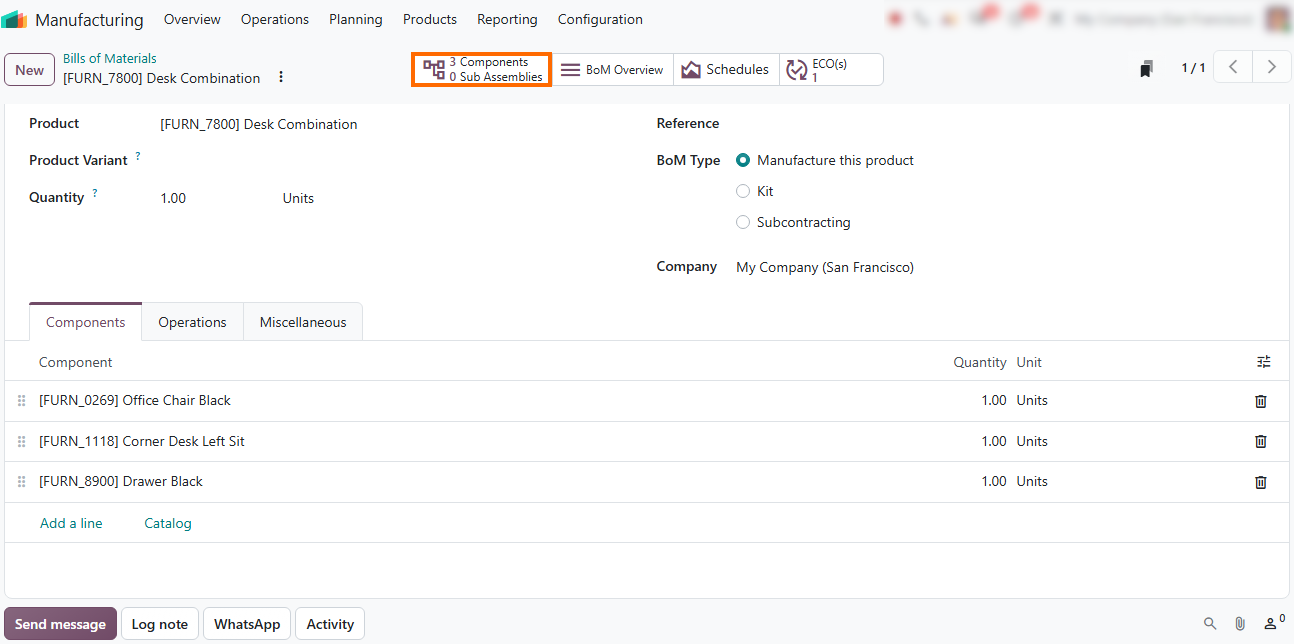
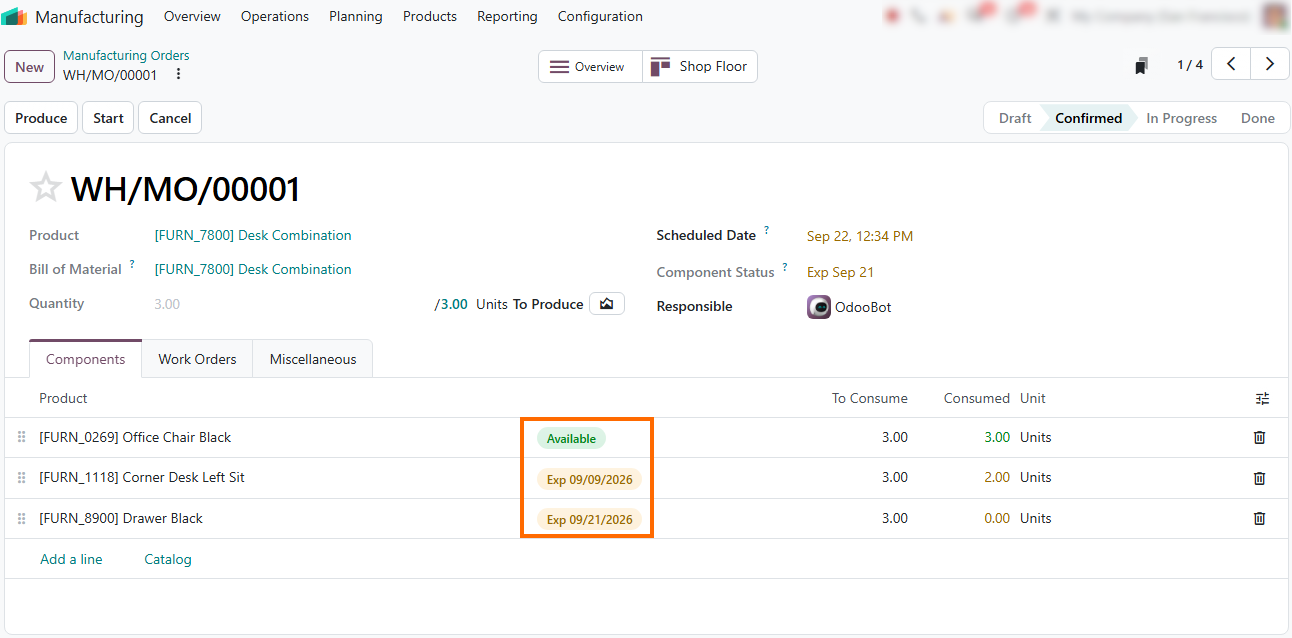
Updated Manufacturing Orders provide a clearer way to organize and monitor production orders, with improvements to order views, statuses, and day-to-day production management.
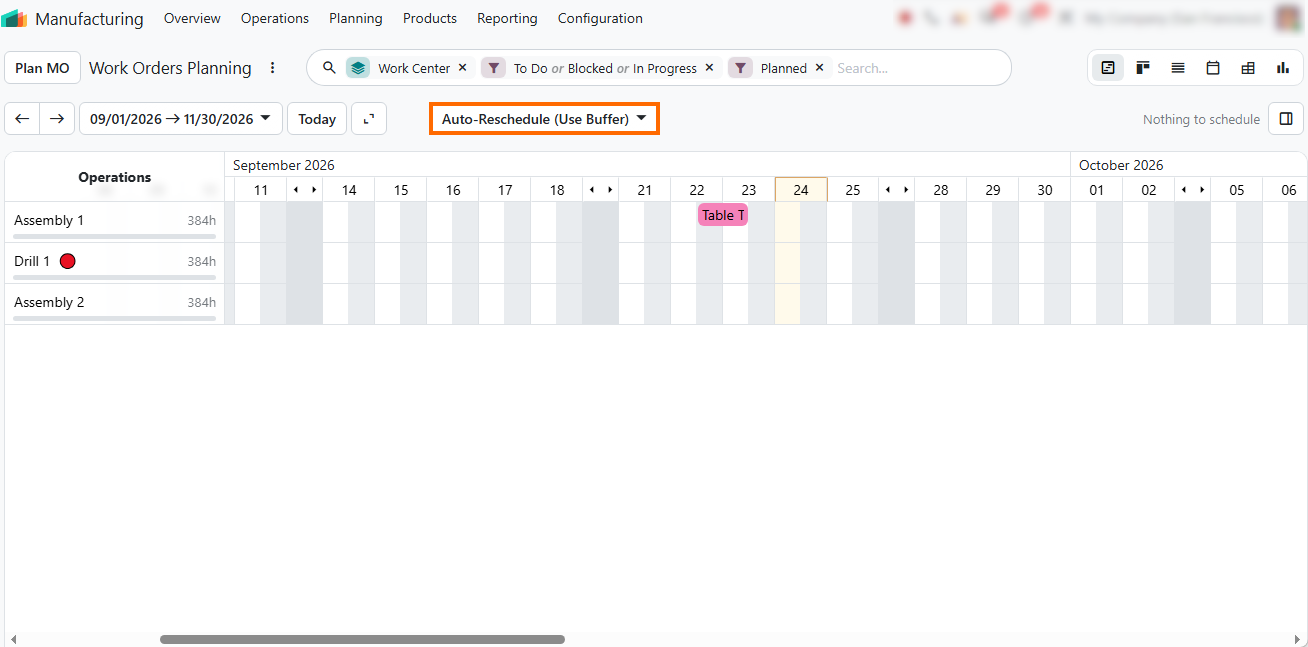
More Flexible Work Order Planning gives production teams additional ways to organize operations and adapt production schedules as work progresses, including scenarios where production continues across multiple stages.
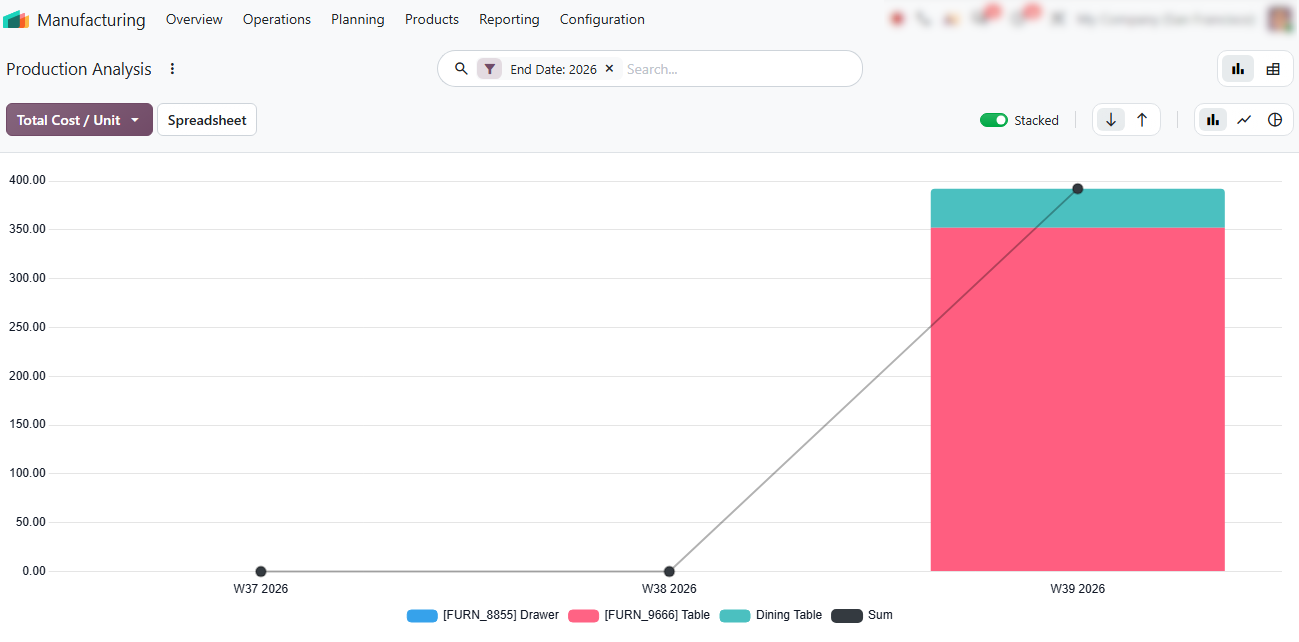
Better Production Visibility brings information about materials, subcontracting, manufacturing orders, and production progress closer together, helping planners and production managers make adjustments as requirements change.
Improve Manufacturing Execution with Odoo
20 Shop Floor
Odoo 20 brings Manufacturing and Shop Floor closer together, giving production teams more flexibility when turning planned manufacturing orders into active shop floor operations. Updates to work order management, production tracking, and the Shop Floor experience help operators and production managers respond to changing production conditions while keeping progress visible. These improvements also help connect production planning with the day-to-day tasks performed at each work center. The main updates focus on scheduling production, managing work orders, and tracking execution directly from the Shop Floor.
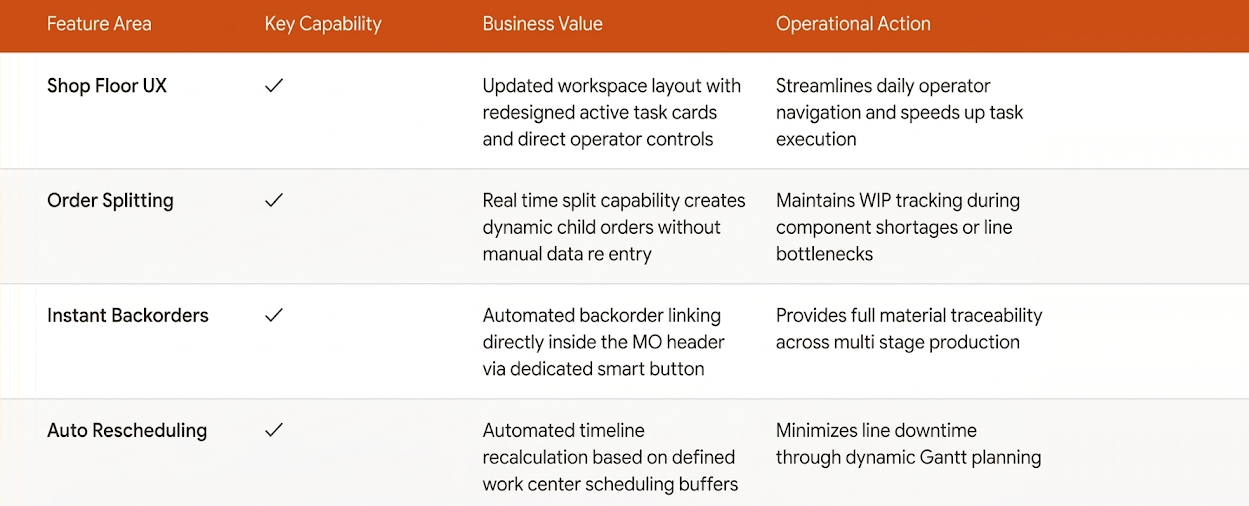
- Improved Shop Floor UX provides a clearer workspace for operators to access work orders, review production information, and manage ongoing operations from a single interface.
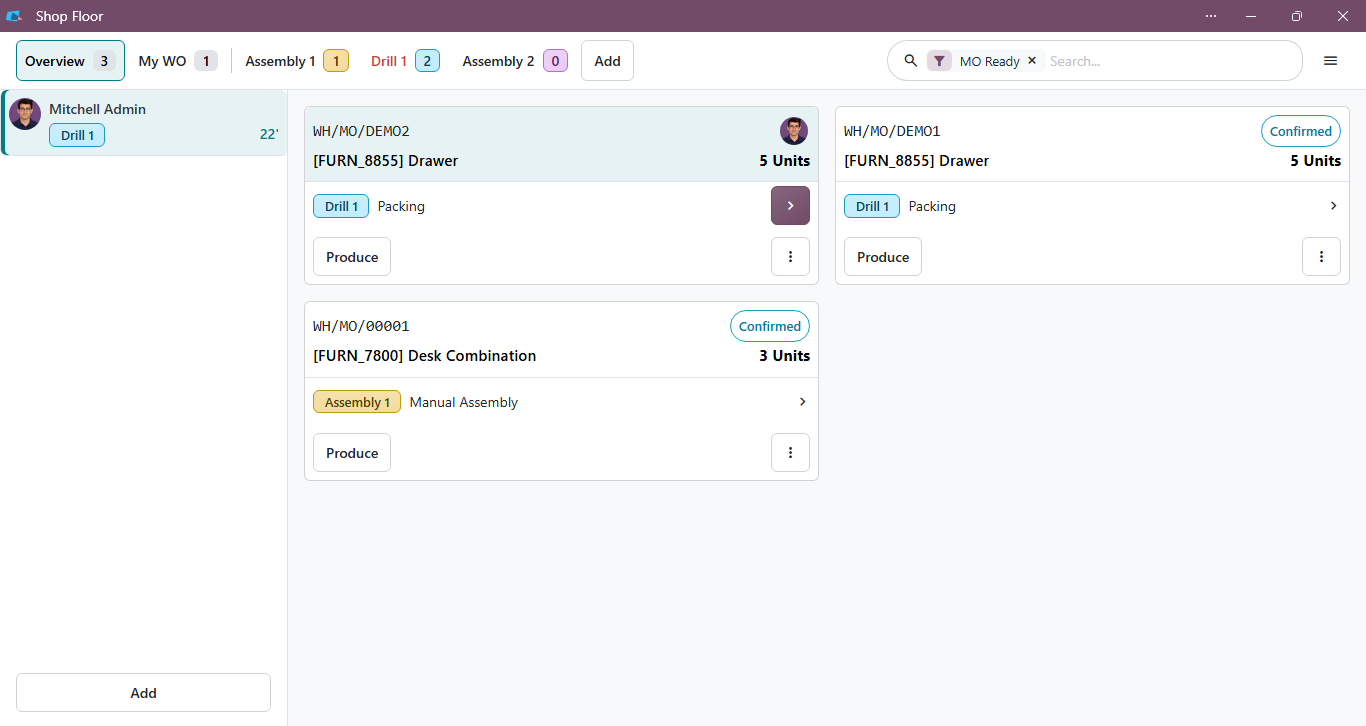
- Split Ongoing Manufacturing Orders allows production teams to divide active manufacturing orders and produce the remaining quantity later, helping them adapt when production requirements change.
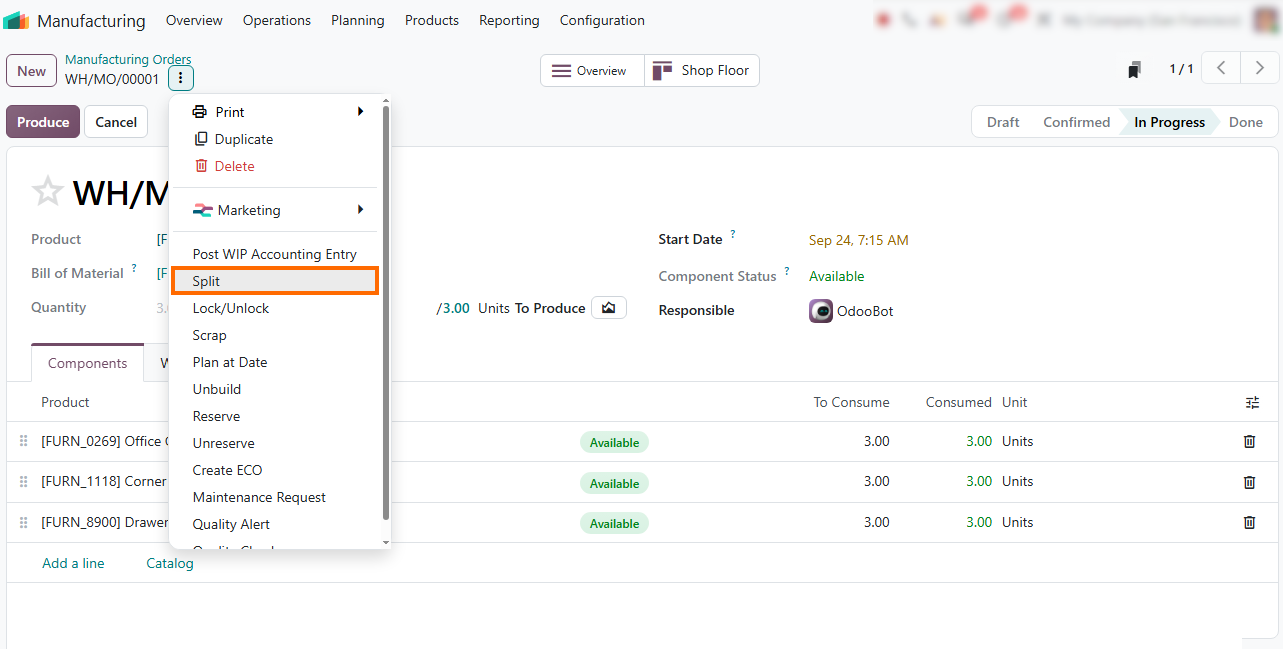
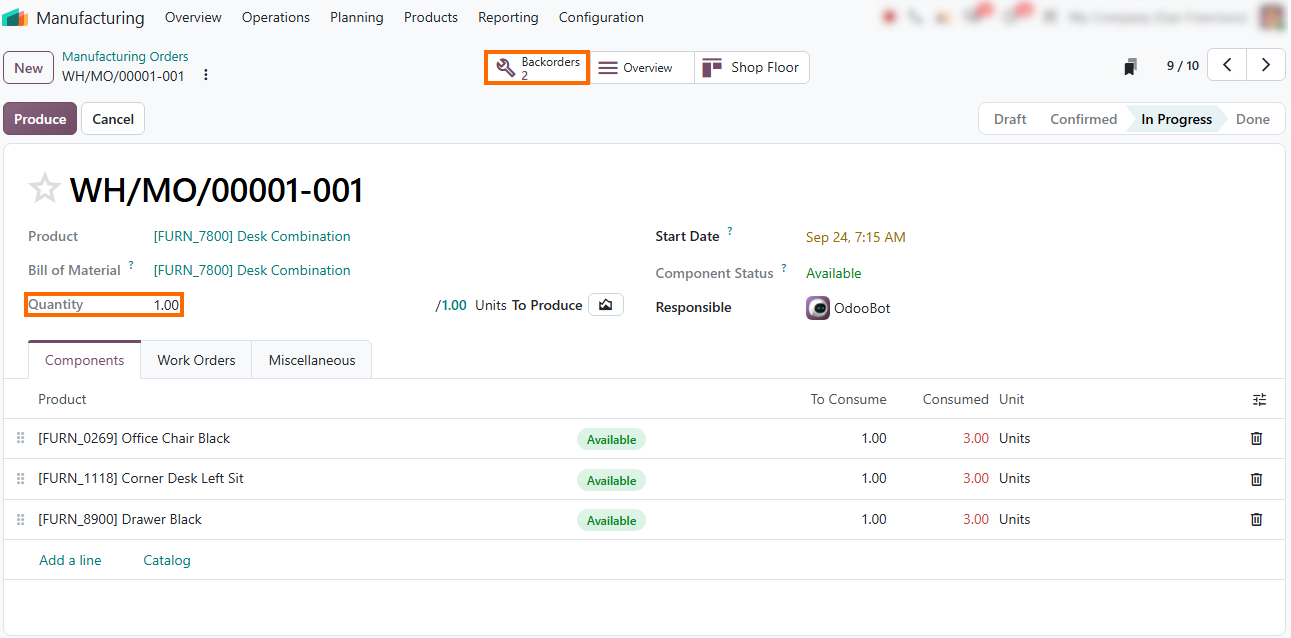
- By simply specifying the required split quantity, Odoo automatically generates child order references and updates the header with a direct smart button link to the newly created backorders.
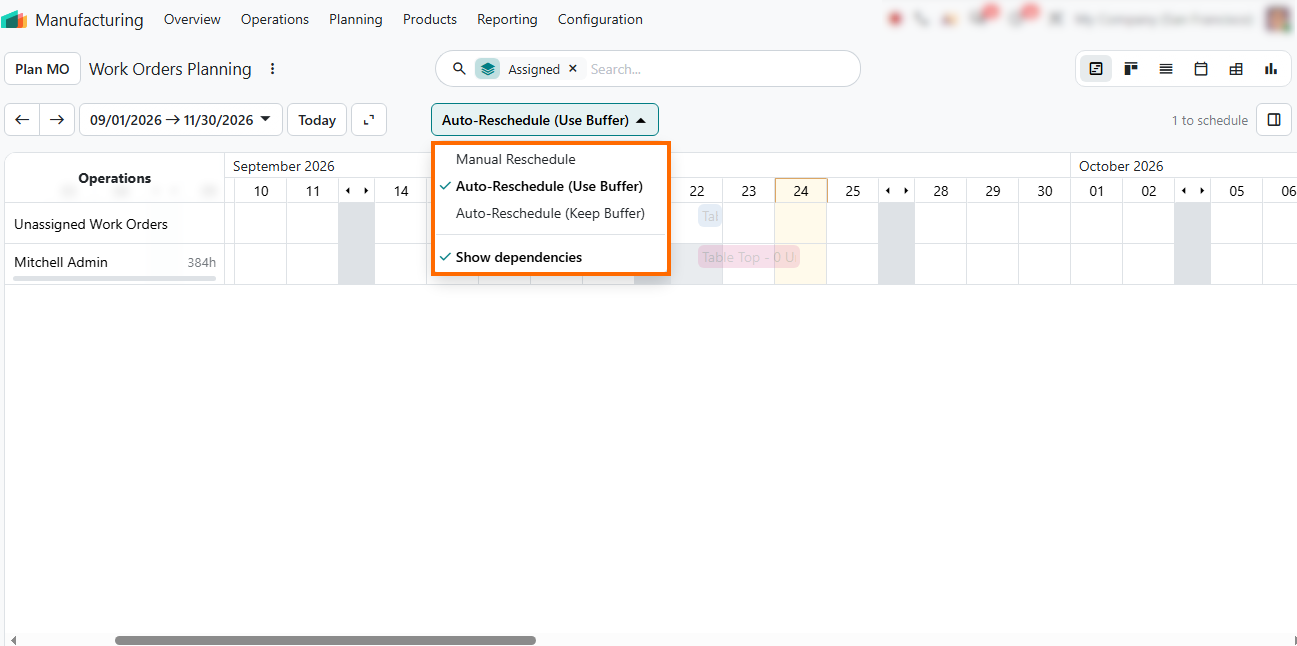
- Improved Gantt planning gives production teams greater visibility into work order schedules and more flexibility when adjusting production plans, including the use of scheduling buffers.
Odoo 20 unifies Manufacturing and Shop Floor operations for greater flexibility. Upgraded work orders, real time tracking, and an intuitive Shop Floor UX allow teams to adapt to production changes while keeping progress fully visible.
Conclusion: Ready to Upgrade Your Manufacturing Operations?
Odoo 20 bridges the gap between complex production requirements and everyday operational execution, bringing MRP, inventory management, Shop Floor tools, and intelligent automation into a connected ecosystem. From improving production workflows to supporting multi-site coordination and AI-assisted tasks, the latest Odoo 20 manufacturing features can help companies reduce operational silos and make day-to-day execution more efficient.
Evaluating an ERP upgrade requires aligning new platform capabilities with your specific manufacturing workflows. Review which features are relevant to your operations, then identify the integrations, customizations, data, and processes that need attention before the transition. Contact our Odoo implementation team to request a readiness assessment and build a tailored upgrade roadmap for your manufacturing environment, including opportunities to apply Odoo 20 AI where it can support your workflows.